Rochdale Principles
Videos
The Rochdale Principles are a set of ideals for the operation of cooperatives. They were first set out in 1844 by the Rochdale Society of Equitable Pioneers in Rochdale, England, and have formed the basis for the principles on which co-operatives around the world continue to operate. The implications of the Rochdale Principles are a focus of study in co-operative economics. The original Rochdale Principles were officially adopted by the International Co-operative Alliance (ICA) in 1937 as the Rochdale Principles of Co-operation. Updated versions of the principles were adopted by the ICA in 1966 as the Co-operative Principles and in 1995 as part of the Statement on the Co-operative Identity.

The original Toad Lane Store in Rochdale, United Kingdom.
Cooperative
Videos
A cooperative is "an autonomous association of persons united voluntarily to meet their common economic, social and cultural needs and aspirations through a jointly owned and democratically-controlled enterprise". Cooperatives are democratically controlled by their members, with each member having one vote in electing the board of directors. They differ from collectives in that they are generally built from the bottom-up, rather than the top-down.
Cooperatives may include:Worker cooperatives: businesses owned and managed by the people who work there
Consumer cooperatives: businesses owned and managed by the people who consume goods and/or services provided by the cooperative
Producer cooperatives: businesses where producers pool their output for their common benefit
eg. Agricultural cooperatives
Purchasing cooperatives where members pool their purchasing power
Multi-stakeholder or hybrid cooperatives that share ownership between different stakeholder groups. For example, care cooperatives where ownership is shared between both care-givers and receivers. Stakeholders might also include non-profits or investors.
Second- and third-tier cooperatives whose members are other cooperatives
Platform cooperatives that use a cooperatively owned and governed website, mobile app or a protocol to facilitate the sale of goods and services.

The volunteer board of a retail consumers' cooperative, such as the former Oxford, Swindon & Gloucester Co-op, is held to account at an annual general meeting of members.
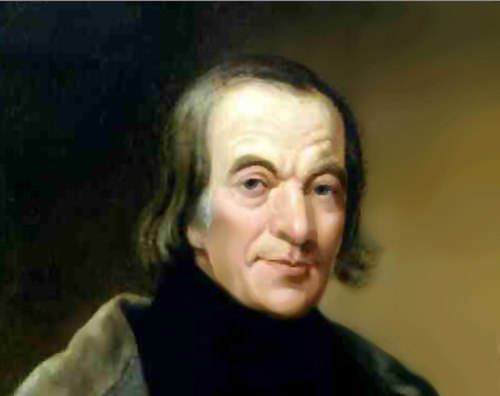
Robert Owen (1771–1858) was a social reformer and a pioneer of the cooperative movement.
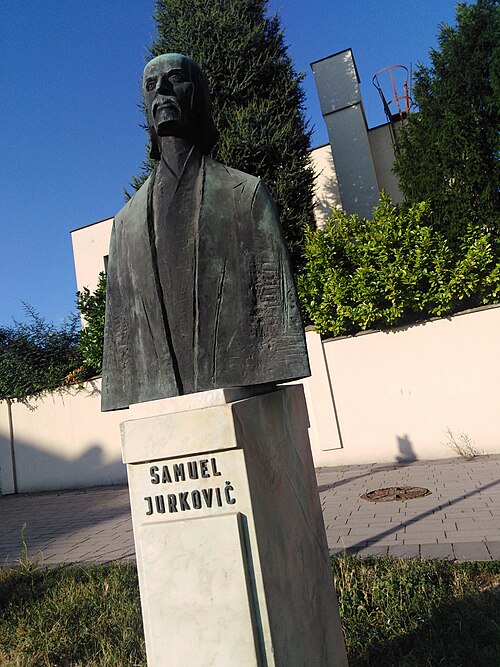
The statue of Samuel Jurkovič, national awakener and founder of first cooperative in Central Europe (Spolok Gazdovský) in Rača, Bratislava

Cooperative of agricultural products of Alginet, 1963