Rosenwald School
Videos
The Rosenwald School project built more than 5,000 schools, shops, and teacher homes in the United States primarily for the education of African-American children in the South, during the Jim Crow per
Julius Rosenwald

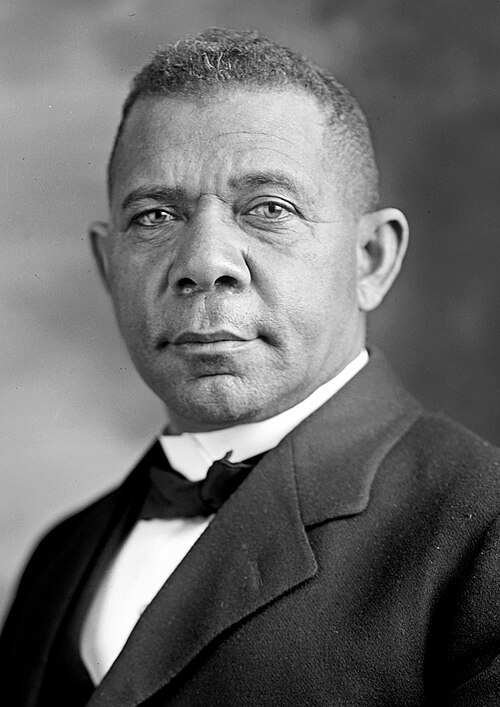
Booker T. Washington

Because many schools were located in areas lacking electricity, the fund designed architectural plans that took advantage of natural light

Interior of a Rosenwald School
Freedmen's Bureau
Videos
The Bureau of Refugees, Freedmen, and Abandoned Lands, usually referred to as simply the Freedmen's Bureau, was a U.S. government agency of early post American Civil War Reconstruction, assisting free

A Bureau agent stands between a group of Whites and a group of freedmen.

The Freedmen's Bureau office in Memphis, Tennessee, 1866

Marriage certificate issued by the Bureau of Refugees, Freedmen and Abandoned Lands, Wilson County, Tennessee, 1866

The Misses Cooke's school room, Freedmen's Bureau, Richmond, Virginia, 1866