Rudolf Weigl
Videos
Rudolf Stefan Jan Weigl was a Polish biologist, physician and inventor, known for creating the first effective vaccine against epidemic typhus. He was nominated for the Nobel Prize in Medicine each ye
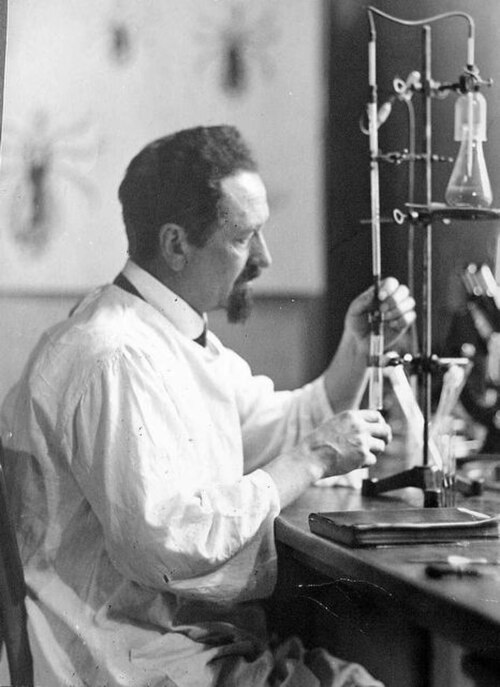
Rudolf Weigl in his laboratory

Prof. Rudolf Weigl's anti-typhus vaccine at POLIN Museum of the History of Polish Jews in Warsaw

Weigl Monument in Wrocław, Poland
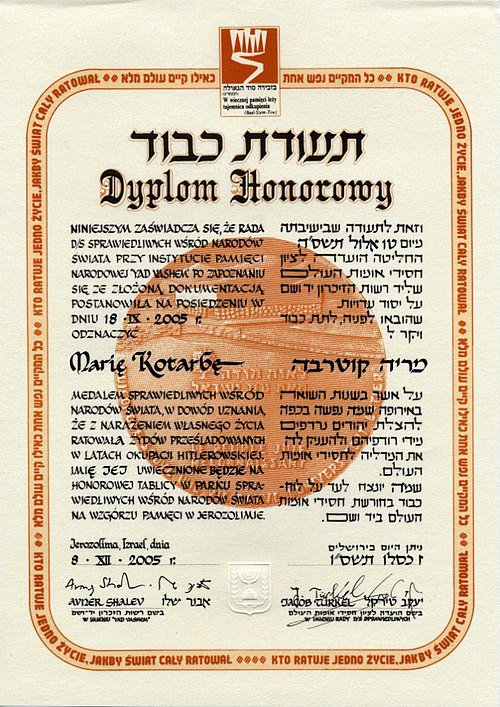
Maria Kotarba Dyplom
Louse-feeder
Videos
A louse-feeder was a job in interwar and Nazi-occupied Poland, at the Lviv Institute for Study of Typhus and Virology and the associated Institute in Kraków, Poland. Louse-feeders were human sources o
Rudolf Weigl
…injectees", which successfully protected them from death (though some did develop the disease). Weigl and his wife Zofia Weigl were some of the earliest lice feeders. He developed the disease, but recovered. The first major application of his vaccine was conducted between 1936 and 1943 by Belgian missionaries in…

Cages with typhus-carrying lice strapped onto a person's thigh. During World War II, feeding the lice with human subjects' blood was the only way to produce a viable typhus vaccine.

Rickettsia – typhus-causing bacteria
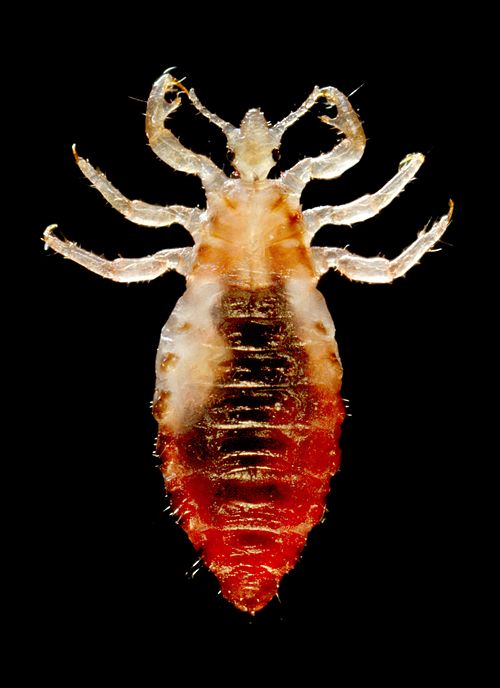
Typhus-spreading body louse