Russian nihilist movement
Videos
The Russian nihilist movement was a philosophical, cultural, and revolutionary movement in the Russian Empire during the late 19th and early 20th centuries, from which the broader philosophy of nihili
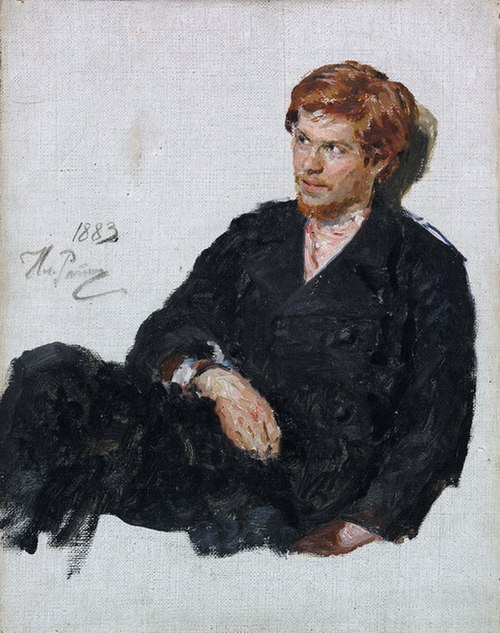
Portrait of a nihilist student by Ilya Repin
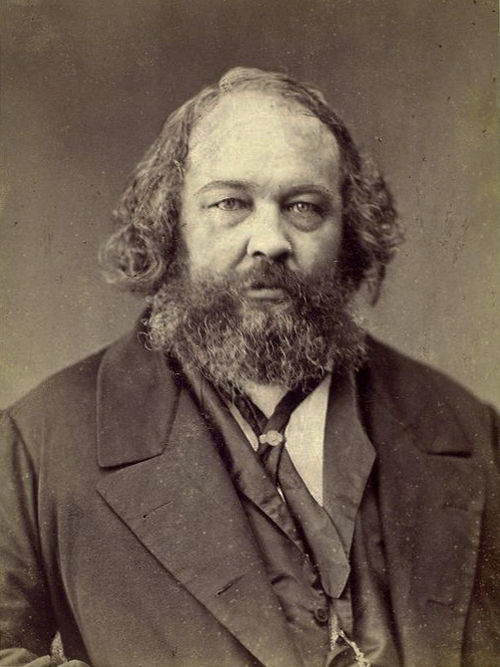
Mikhail Bakunin, often regarded as the father of Russian nihilism

Nikolay Chernyshevsky, utopian socialist, a major intellectual force behind nihilism

Dmitry Pisarev, nihilist philosopher
On 13 March 1881, Alexander II, the Emperor of Russia, was assassinated in Saint Petersburg, Russia, while returning to the Winter Palace from Mikhailovsky Manège in a closed carriage. The assassinati
Russian nihilist movement
…vague. With the widespread revolutionary arson of 1862, a number of assassinations and attempted assassinations of the 1860s and 70s, and the eventual assassination of Tsar Alexander II in 1881, Russian nihilism was characterized throughout Europe as a doctrine of political terrorism and violent crime. Kropotkin argues that while…

Painting of Alexander II on his deathbed by Konstantin Makovsky

Andrei Zhelyabov (tried and hanged)

Sophia Perovskaya (tried and hanged)

Ignacy Hryniewiecki (died of wounds from the 2nd explosion)