S-75 Dvina
Videos
The S-75 is a Soviet-designed, high-altitude air defence system. It is built around a surface-to-air missile with command guidance. Following its first deployment in 1957 it became one of the most wid
S-75 Dvina in the National Museum of Military History, Sofia, Bulgaria


S-75 Guideline missile on display at the National Air and Space Museum

Rear view showing the solid-propellant booster nozzle, as displayed in Imperial War Museum Duxford

The S-75 in transport configuration
Surface-to-air missile
Videos
A surface-to-air missile, also known as a ground-to-air missile or surface-to-air guided weapon, is a missile designed to be launched from the ground or the sea to destroy aircraft or other missiles.
S-75 Dvina
…The S-75 (Russian: С-75; NATO reporting name SA-2 Guideline) is a Soviet-designed, high-altitude air defence system. It is built around a surface-to-air missile with command guidance. Following its first deployment in 1957 it became one of the most widely deployed air defence systems in history. It scored the…

A pair of S-300 missiles being launched in Ukraine

A Wasserfall missile lifts off during a test flight.
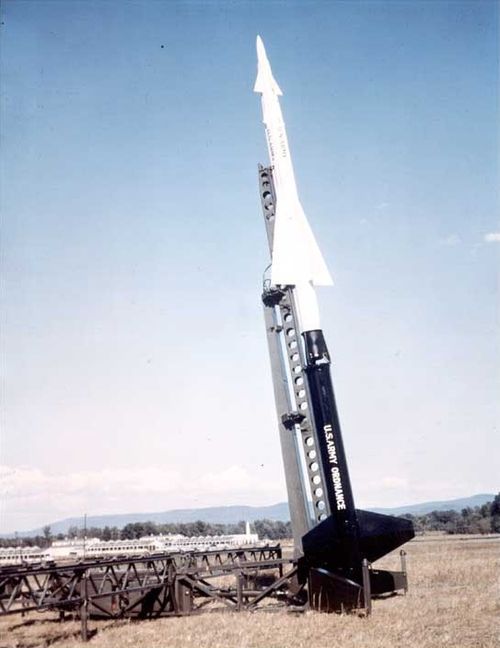
Nike Ajax was the first operational SAM system.

SA-2 Guideline surface-to-air missiles, one of the most widely deployed SAM systems in the world.