Sabbath in Christianity
Videos
Many Christians observe a weekly day set apart for rest and worship called a Sabbath in obedience to God's commandment to remember the Sabbath day, to keep it holy.
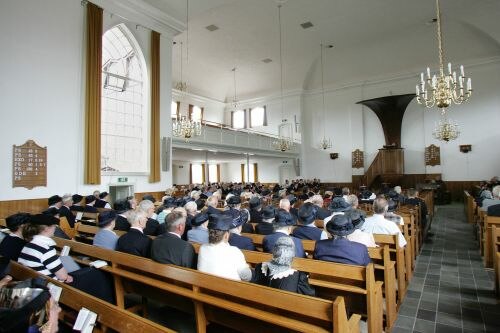
Christian denominations teaching first-day Sabbatarianism, such as the Free Presbyterian Church of Ulster, observe the Lord's Day as a day of worship and rest.

A recreation ground on Raasay displaying a sign "Please do not use this playing field on Sundays"

The sign of this Wesleyan Methodist church displays the times for the Sunday morning service of worship and Sunday evening service of worship, consistent with the historical First-day Sabbatarian doctrine of Methodism to keep the Lord's Day holy. The midweek Wednesday prayer service (a common Methodist observance) is indicated on the sign as well.

The Sabbath Breakers by J.C. Dollman (1896)
Sabbatarianism
Videos
Sabbatarianism advocates the observation of the Sabbath in Christianity, in keeping with the Ten Commandments.
Sabbath in Christianity
…ideas of the 16th and 17th-century Puritans (present-day Congregationalists), the Presbyterian, Baptist, as well as Methodist traditions, enshrined first-day (Sunday) Sabbatarian views in their confessions of faith, observing the Lord's Day as the Christian Sabbath. While practices differ among Christian denominations, common…

Sabbath Eve, painting by Alexander Johnston
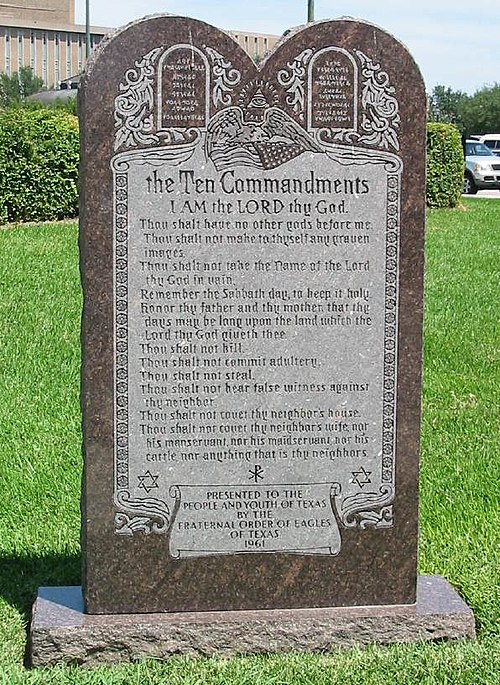
A monument of the Ten Commandments at the Texas State Capitol

Ethiopian Orthodox icon depicting St. George, the Crucifixion, as well as the Madonna and Child