Salting the earth
Videos
Salting the earth, or sowing with salt, is the ritual of spreading salt on the sites of cities razed by conquerors. It originated as a curse on re-inhabitation in the ancient Near East and became a we

Illustration of a plow being driven over the site of Carthage
Shechem
Videos
Shechem, also spelled Sichem and other variants, was an ancient city in the Southern Levant. Described in ancient Egyptian inscriptions from the 19th century BC as a part of Retjenu, it is also record
Salting the earth
…on re-inhabitation in the ancient Near East and became a well-established folkloric motif in the Middle Ages. The best-known example is the salting of Shechem as narrated in the Biblical Book of Judges 9:45. The supposed salting of Carthage is not supported by historical evidence. The custom of purifying or…

Archaeological site of Tell Balata, identified with ancient Shechem

Balata in the 1880s in the PEF Survey of Palestine. Nablus is stated as being the location of Biblical Shechem, in contrast to the modern identification with Tell Balata.
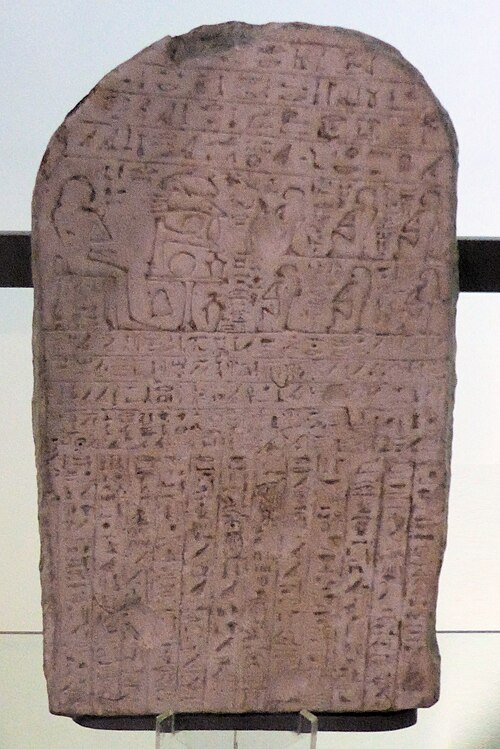
The Sebek-khu Stele, dated to the reign of Senusret III (reign: 1878–1839 BC), records the earliest known Egyptian military campaign in the Levant. The text reads "Then Sekmem fell, together with the wretched Retenu", where Sekmem (s-k-m-m) is thought to be Shechem, and the "Retunu" or "Retjenu" a people of the Levant.

Amarna letter EA 252. Letter from Labayu (ruler of Shechem) to the Egyptian Pharaoh Amenhotep III or his son Akhenaten. 14th century BC. From Tell el-Amarna, Egypt. British Museum