The satisfaction theory of atonement is a theory of the atonement which holds that Jesus Christ redeemed humanity through making satisfaction for humankind's disobedience through his own supererogator
St. Anselm of Canterbury

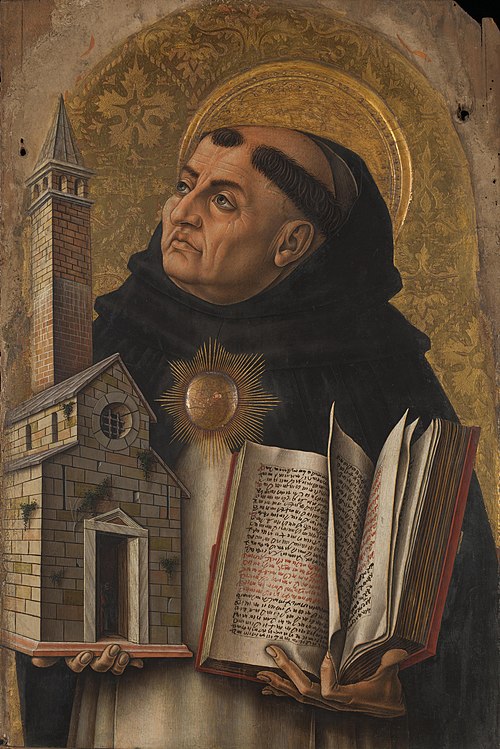
St. Thomas Aquinas

John Calvin

Atonement
Cur Deus Homo
Videos
Cur Deus Homo?, usually translated Why God Became Man, is a book written by Anselm of Canterbury in the period of 1094–1098. In this work he proposes the satisfaction view of the atonement.
Satisfaction theory of atonement
…humankind's disobedience through his own supererogatory obedience. The theory draws primarily from the works of Anselm of Canterbury, specifically his Cur Deus Homo ('Why Was God a Man?'). Since one of God's characteristics is justice, affronts to that justice must be atoned for. It is thus connected with the legal…

The beginning of the Cur Homo's prologue, from a 12th-century manuscript held at Lambeth Palace