Scottish Reformation
Videos
The Scottish Reformation was the process whereby Scotland broke away from the Catholic Church, and established the Protestant Church of Scotland. It forms part of the wider European 16th-century Prote
Henry Wardlaw (died 1440), Bishop of St Andrews, royal tutor and adviser, founder of The University of St Andrews and key figure in fighting Lollardy


A mid-16th-century oak panel carving from a house in Dundee

Portrait of Hector Boece (1465–1536), a major figure in European humanism, who returned to be the first principal of the University of Aberdeen

The Martyrs' Monument at Saint Andrews commemorates Protestants executed before the Reformation: Patrick Hamilton, Walter Milne, Henry Forrest and George Wishart.
Mary, Queen of Scots
Videos
Mary, Queen of Scots, also known as Mary Stuart or Mary I of Scotland, was Queen of Scotland from 14 December 1542 until her forced abdication on 24 July 1567.
Scottish Reformation
…protect the honour of the Mass, prayer to the Virgin Mary, images of the saints, and the authority of the pope. James V died in 1542, leaving the infant Mary, Queen of Scots as his heir, with the prospect of a long minority. At the beginning of Mary's reign, the Scottish political nation was divided between a pro-French…

Portrait of Mary at about 17 years old, c. 1558–1560
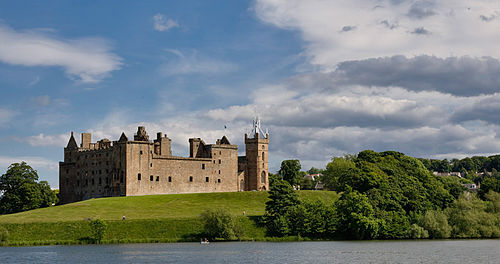
Both Mary and her father King James V were born at Linlithgow Palace in West Lothian, Scotland.

Gold coin (22 Shillings) of 1553: obverse, coat of arms of Scotland; reverse, royal monogram
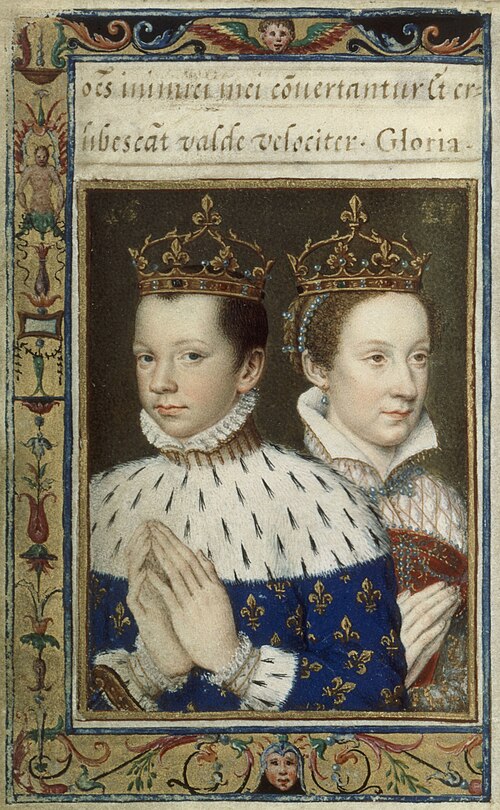
Mary and Francis in Catherine de' Medici's book of hours, c. 1574. Bibliothèque nationale de France, Paris.