Seleucid Empire
Videos
The Seleucid Empire was a Greek state in West Asia during the Hellenistic period. It was founded by the Macedonian general Seleucus I Nicator in 312 BC, following the division of Alexander the Great's

201209071746a Berlin Pergamonmuseum, Tetradrachme Seleukos' I, Silber, Pergamon, 281 280 v.u.Z
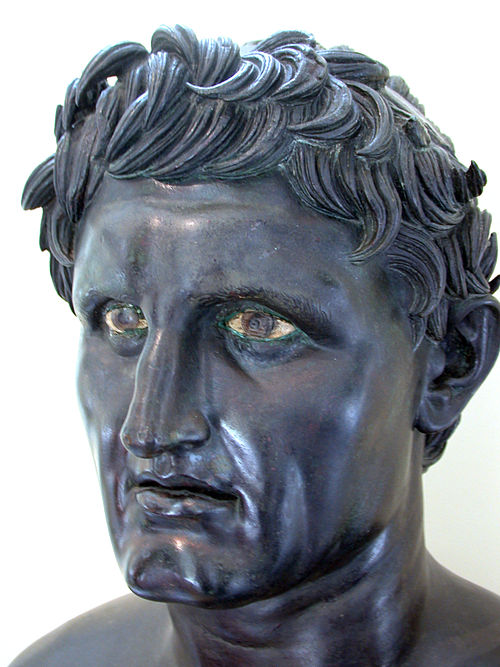
Bronze bust of Seleucus I Nicator.

"Chandra Gupta Maurya entertains his bride from Babylon": a conjectural interpretation of the "marriage agreement" between the Seleucids and Chandragupta Maurya, related by Appian.
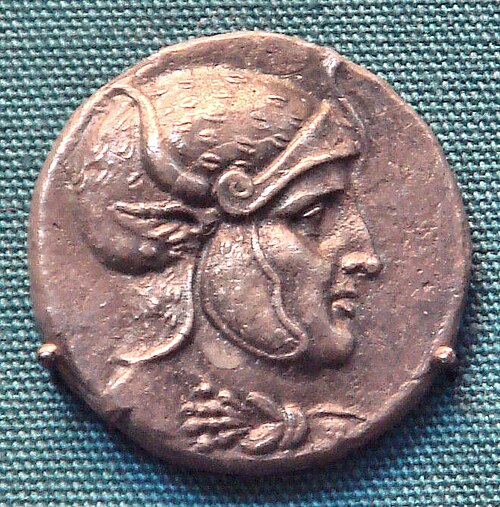
Coin of Seleucus I Nicator, showing the king wearing a helmet decorated with leopard skin and bull's horn and ear.
Seleucus I Nicator
Videos
Seleucus I Nicator was a Macedonian Greek general, officer and successor of Alexander the Great who went on to found the eponymous Seleucid Empire, led by the Seleucid dynasty. Initially a secondary p
Seleucid Empire
…The Seleucid Empire ( sih-LEW-sid) was a Greek state in West Asia during the Hellenistic period. It was founded by the Macedonian general Seleucus I Nicator in 312 BC, following the division of Alexander the Great's Empire, and was ruled by the Seleucid dynasty from Seleucia and later Antioch until its…

Roman copy of a bronze statue of Seleucus found in Herculaneum (now located at the Naples National Archaeological Museum)
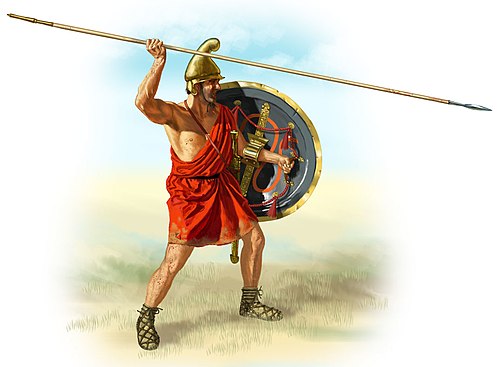
Seleucus led the Royal Hypaspistai during Alexander's Persian campaign.
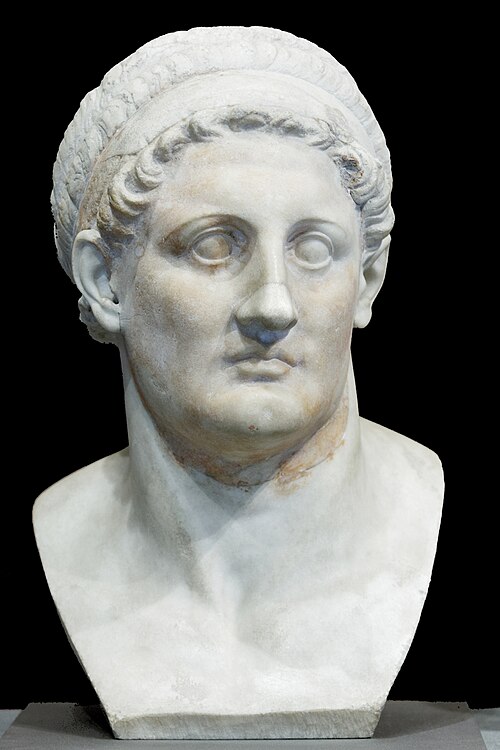
Ptolemy I Soter, an officer under Alexander the Great, was nominated as the satrap of Egypt. Ptolemy made Ptolemaic Egypt independent and proclaimed himself Basileus and Pharaoh in 305 BC.

Bust attributed to Seleucus I Nicator, Roman Imperial artwork made in Syria from a Hellenistic model (c. 200 AD)