Sengoku period
Videos
The Sengoku period was an era of civil war, political fragmentation and social change in Japanese history. It conventionally began with the Ōnin War in 1467, although the Kyōtoku incident of 1454 and

Ōzutsu (Big Gun)

Japanese screen depicting the Battle of Sekigahara (1600)
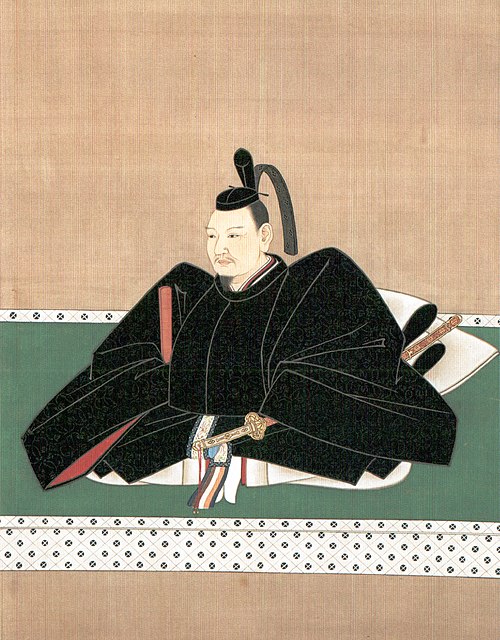
Hosokawa Masamoto

Mōri Motonari
Azuchi–Momoyama period
Videos
The Azuchi–Momoyama period or Oda-Toyotomi period or also Shokuhō period was the final phase of the Sengoku period in Japanese history from 1568 to 1603.
Sengoku period
…the Battle of Sekigahara in 1600 or the Siege of Osaka in 1615. The period overlaps with the later Muromachi period and, under broader definitions, the Azuchi–Momoyama period. The Ōnin War devastated much of Kyoto and accelerated the decline of the Ashikaga shogunate. Although the Ashikaga shōguns remained in office until…

Toyotomi Hideyoshi's battlefield vest

1584 Japan-Ming trade ship flag, inscribed with the signatures and kaō, or stylized signatures, of three Ming merchants; to be raised the following year upon arrival in what is now Shimonoseki (Yamaguchi Prefectural Archives)

近江国蒲生郡安土城之