The separation of church and state or separation of religion and state is a philosophical and jurisprudential concept for defining political distance in the relationship between religious organization
John Locke, English political philosopher, argued for individual conscience, free from state control.

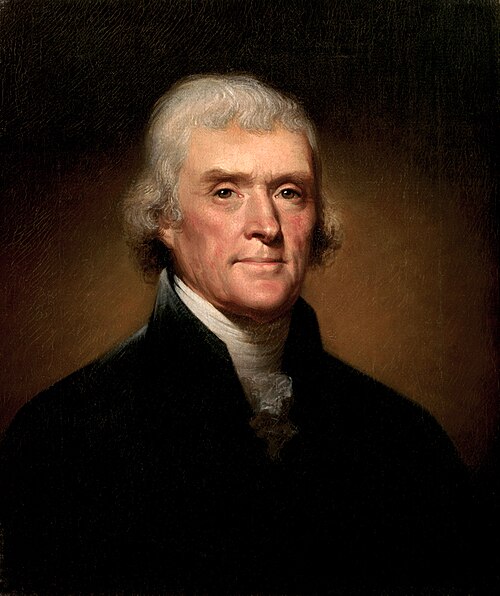
Thomas Jefferson, the third President of the United States, whose letter to the Danbury Baptists Association is often quoted in debates regarding the separation of church and state

H. B. Higgins, proponent of Section 116 in the Australian pre-Federation constitutional conventions

Rui Barbosa had a large influence upon the text adopted as the 1891 Constitution of Brazil.
Voltaire
Videos
François-Marie Arouet, known by his pen name Voltaire, was a French Enlightenment writer, philosopher, satirist, and historian. Famous for his wit and his criticism of Christianity and of slavery, Vol
Separation of church and state
…of the Age of Enlightenment. Montesquieu already wrote in 1721 about religious tolerance and a degree of separation between religion and government. Voltaire defended some level of separation but ultimately subordinated the Church to the needs of the State while Denis Diderot, for instance, was a partisan…

Portrait by Nicolas de Largillière, c. 1720s

Voltaire was imprisoned in the Bastille from 16 May 1717 to 15 April 1718 in a windowless cell with ten-foot-thick walls.

In the frontispiece to Voltaire's book on Newton's philosophy, Émilie du Châtelet appears as Voltaire's muse, reflecting Newton's heavenly insights down to Voltaire.

Pastel by Maurice Quentin de La Tour, 1735