Shades of cyan
Videos
The color cyan, a color between green and blue, has notable tints and shades. It is one of the subtractive primary colors, along with magenta and yellow.

Red, green and blue lights, representing the three basic additive primary colors of the RGB color system, red, green, and blue. Cyan light is composed of equal amounts of green and blue light.

Gfp florida miami blue green water

Philadelphia Eagles player wearing the midnight-green uniform

A moonstone
Primary color
Videos
Primary colors are colorants or colored lights that can be mixed in varying amounts to produce a gamut of colors. This is the essential method used to create the perception of a broad range of colors
Shades of cyan
…The color cyan, a color between green and blue, has notable tints and shades. It is one of the subtractive primary colors, along with magenta and yellow. The first recorded use of cyan blue as a color name was in 1879 ("cyan blue" being the name used for "cyan" in the 19th…
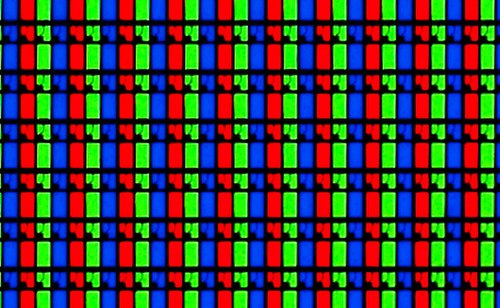
A photograph of the red, green, and blue elements (subpixels) of an LCD. Additive mixing explains how light from these colored elements can be used for photorealistic color image reproduction.

Color Mixing Guide, John L. King 1925, cover and plates describing yellow, red, and blue color mixing

An 1896 self-portrait by Anders Zorn clearly showing a four-pigment palette of what are thought to be white, yellow ochre, vermillion, and black pigments

Johann Heinrich Lambert's "Farbenpyramide" tetrahedron published in 1772. Gamboge (yellow), carmine (red), and Prussian blue pigments are used the corner swatches of each "level" of lightness with mixtures filling the others and white at the top.