Shasta people
Videos
The Shastan peoples are a group of linguistically related indigenous peoples from the Klamath Mountains in California and Oregon in the northwestern United States. They traditionally inhabited portion

Mount Shasta is a prominent landmark among the Siskiyou Mountains and has cultural significance for the Shasta.

Coho salmon were traditionally a major source of nutrition for the Shasta.

Acorns from the California Black Oak were commonly consumed, although imported Tan Oak acorns were considered more appetizing.

A Yurok winter dwelling. Shasta residencies were largely the same in design.
Klamath Mountains
Videos
The Klamath Mountains are a rugged and lightly populated mountain range in northwestern California and southwestern Oregon in the western United States. As a mountain system within both the greater Pa
Shasta people
…The Shastan peoples are a group of linguistically related indigenous peoples from the Klamath Mountains in California and Oregon in the northwestern United States. They traditionally inhabited portions of several regional waterways, including the Klamath…

Mixed conifer forest in the Trinity Alps

Mount Ashland, the highest point of the Siskiyou Mountains
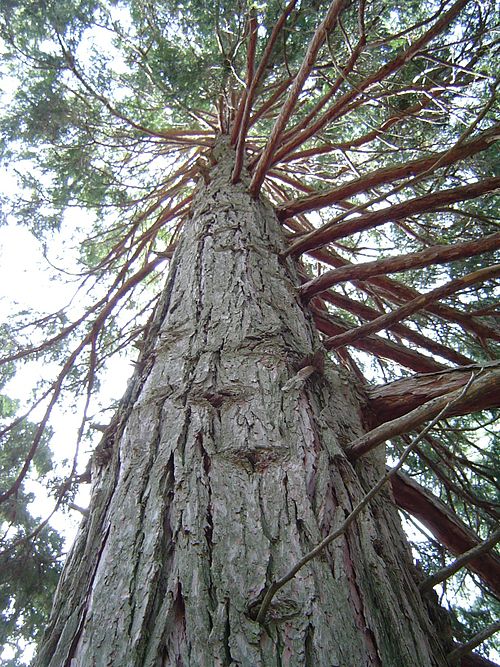
California incense-cedar (Calocedrus decurrens)

Russian Peak and whitebark pine