Shema
Videos
Shema Yisrael is a Jewish prayer that serves as a centerpiece of the morning and evening Jewish prayer services. Its first verse, Deuteronomy 6:4, encapsulates the monotheistic essence of Judaism: "He

Shema Yisrael at the Knesset Menorah in Jerusalem
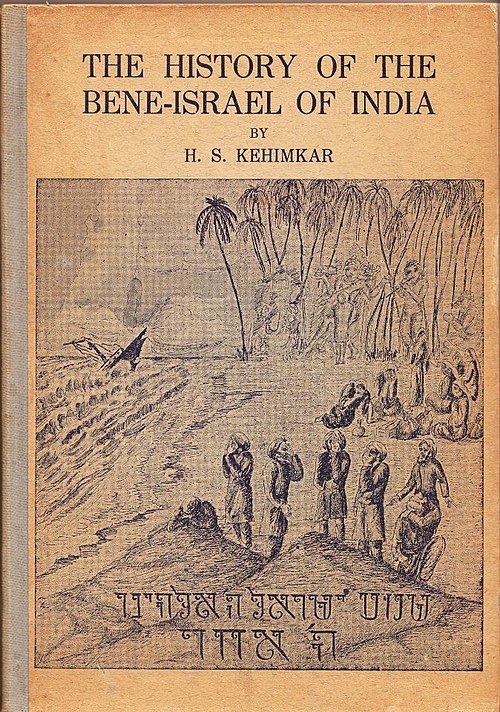
Indian Jews praying "Shema Yisrael", illustration on a book cover

The first paragraph of the Shema seen in a Tefillin scroll
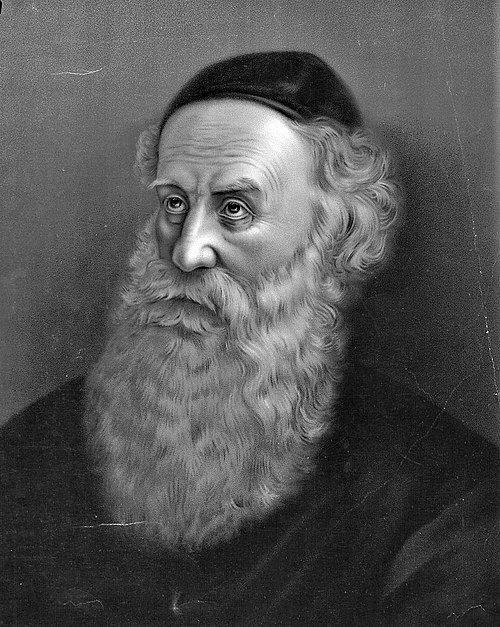
Schneur Zalman of Liadi articulated Divine Unity in Hasidic philosophy.
God in Judaism
Videos
In Judaism, God has been conceived in a variety of ways. Traditionally, Judaism holds that God—that is, the God of Abraham, Isaac and Jacob, and the national god of the Israelites—delivered the Israel
Shema
…אֶחָד׃ Šəmaʿ Yīsrāʾēl YHWH ʾĕlōhēnū YHWH ʾeḥād: Rabbinic Judaism teaches that the Tetragrammaton (י-ה-ו-ה), YHWH, is the ineffable and actual name of God, and as such is not read aloud in the Shema but is traditionally replaced with אדני, Adonai ("LORD"). For that reason, the Shema is recited aloud as…

The Tetragrammaton (YHWH), the main Hebrew name of God inscribed on the page of a Sephardic manuscript of the Hebrew Bible (1385)

The Mesha Stele bears the earliest known reference (840 BCE) to the Israelite god Yahweh.

The mass revelation at Mount Horeb in an illustration from a Bible card published by the Providence Lithograph Company, 1907

Seal of Hezekiah, 727 to 698. Winged disk representing God