Shiva
Videos
Shiva, also known as Mahadeva and Hara, is one of the principal deities of Hinduism. He is the Supreme Being in Shaivism, one of the major traditions within Hinduism.

Statue of Shiva at Shivoham Shiva Temple, Bangalore, Karnataka

A depiction of Somaskanda with a dancing Skanda in the middle of Parvati and Shiva.

An ancient sculpture of Shiva at the Elephanta Caves, Maharashtra. 6th century CE
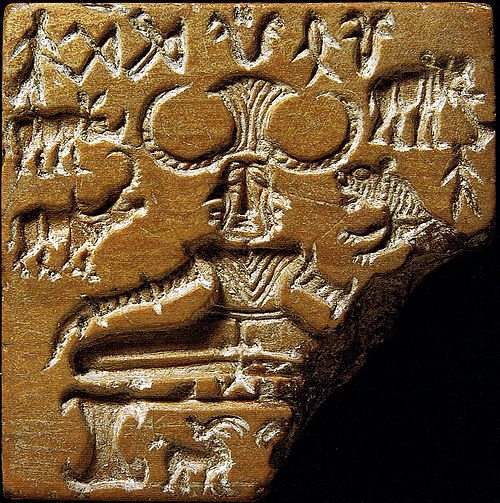
The Pashupati seal discovered during excavation of the Indus Valley archaeological site of Mohenjo-Daro and showing a possible representation of a "yogi" or "proto-Shiva" figure as Paśupati (Lord of the Animals" c. 2350–2000 BCE
Parvati
Videos
Parvati, also known as Uma and Gauri, is one of the principal goddesses in Hinduism, revered as the goddess of power, energy, nourishment, harmony, love, beauty, devotion, and motherhood. Along with L
Shiva
…as fearsome. In benevolent aspects, he is depicted as an omniscient yogi who lives an ascetic life on Kailasa as well as a householder with his wife Parvati and his two children, Ganesha and Kartikeya. In his fierce aspects, he is often depicted slaying demons. Shiva is also known as Adiyogi (the first…

20th-century illustration of Parvati and her son Ganesha

Coinage of Kushan ruler Huvishka with, on the reverse, the divine couple Ommo ("ΟΜΜΟ", Umā) holding a flower, and Oesho ("ΟΗϷΟ", Shiva) with four arms holding attributes. c. 150-180 CE.

12th century Parvati sculpture from Odisha.

Wall carvings in the 6th-century Ellora Caves: A scene depicting Kalyanasundara – the wedding of Shiva (four-armed figure, right) and Parvati (two-armed, left).