Sibylline Books
Videos
The Sibylline Books were a collection of oracular utterances, set out in Greek hexameter verses, that, according to tradition, were purchased from a sibyl by the last King of Rome, Lucius Tarquinius S

Michelangelo's rendering of the Erythraean Sibyl

Tarquin the Proud receives the Sibylline Books (1912 illustration)
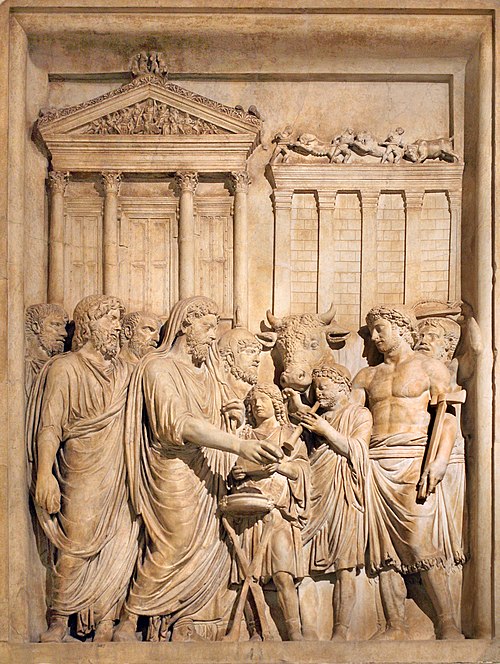
Relief of Marcus Aurelius sacrificing at the fourth temple of Jupiter

16th-century illustration of the Cumaean Sibyl (Amalthea) burning some of the Sibylline books while Tarquin (confused with Lucius Tarquinius Priscus) watches.
Battle of Cannae
Videos
The Battle of Cannae was a key engagement of the Second Punic War between the Roman Republic and Carthage, fought on 2 August 216 BC near the ancient village of Cannae in Apulia, southeast Italy. The
Sibylline Books
…240/238 BC: The Ludi Florales, or "Flower Games", were instituted after consulting the books. 216 BC: When Hannibal annihilated the Roman Legions at Cannae, the books were consulted, and on their recommendation, two Gauls and two Greeks were buried alive in the city's marketplace. 205–204 BC: During the…

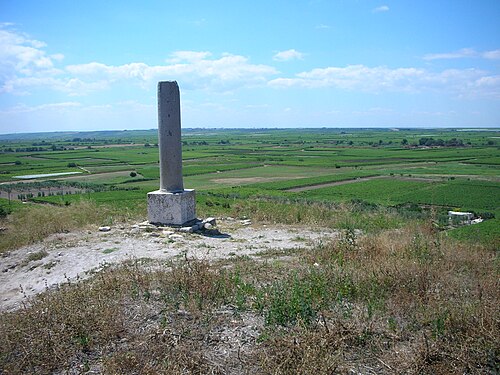
A modern monument near the site of the Battle of Cannae

A modern interpretation of a slinger from the Balearic Islands, famous for the skill of their slingers

Philip V of Macedon pledged his support to Hannibal following the Carthaginian victory.