Siege of Kazan
Videos
The siege of Kazan in 1552 was the final battle of the Russo-Kazan Wars and led to the fall of the Khanate of Kazan. Conflict continued after the fall of Kazan, however, as rebel governments formed in Çalım and Mişätamaq, and a new khan was invited from the Nogais. This guerrilla war lingered until 1556.


Qolsharif and his students defend their madrassa and the Cathedral Mosque.

Cross over Crescent variation of the Christian cross, which was devised by Ivan IV after conquering Kazan.
Volga Tatars
Videos
The Volga Tatars or simply Tatars are a Kipchak-Bulgar Turkic ethnic group native to the Volga-Ural region of Eastern European Russia. They are subdivided into various subgroups. Volga Tatars are the second-largest ethnic group in Russia after ethnic Russians. Most of them live in the republics of Tatarstan and Bashkortostan. Their native language is Tatar, a language of the Turkic language family. The predominant religion is Sunni Islam, followed by Orthodox Christianity.

Märcani Mosque in Kazan

Head of Tatarstan Rustam Minnikhanov (left) and former head Mintimer Shaimiev during the Izge Bolgar zhyeny festivities, dedicated to the 1,121st anniversary of the adoption of Islam by Volga Bulgaria.
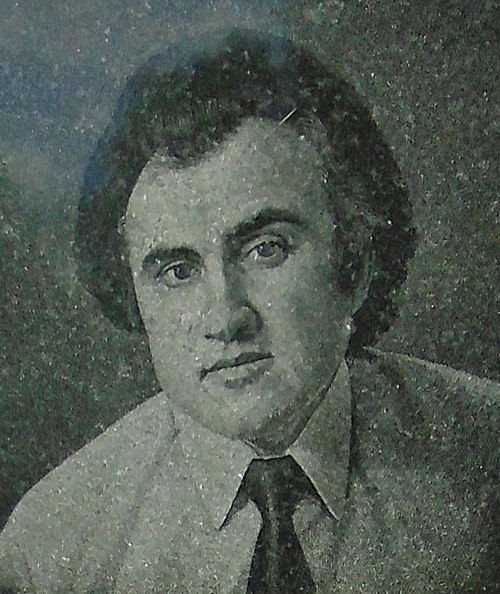
Xäydär Bigiçev (1949-1998), Mishar Tatar from Nizhny Novgorod Oblast, soloist of the Tatar Opera and Ballet Theater named after Musa Jalil, award-winning folk artist.