Smolensk air disaster
Videos
On 10 April 2010, a Tupolev Tu-154 aircraft operating as Polish Air Force Flight PLF 101, crashed near the Russian city of Smolensk, killing all 96 people on board. Among the victims were the presiden
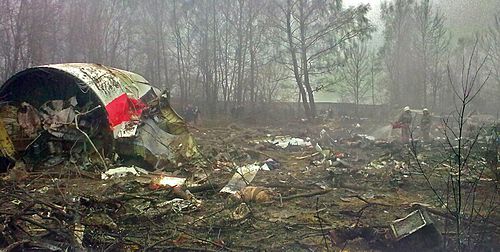
Wreckage of the aircraft

101, the aircraft involved, pictured two days before the accident

Russian servicemen, accompanied by a policeman, twist bulbs into the approach lights of Smolensk North Airport's runway, hours after the crash of the Tu-154

101 landing at Prague Airport less than two days before the accident
Smolensk
Videos
Smolensk is a city and the administrative center of Smolensk Oblast, Russia, located on the Dnieper River, 360 kilometers west-southwest of Moscow. It has a population of 316,570.
Smolensk air disaster
…On 10 April 2010, a Tupolev Tu-154 aircraft operating as Polish Air Force Flight PLF 101, crashed near the Russian city of Smolensk, killing all 96 people on board. Among the victims were the president of Poland, Lech Kaczyński, and a number of senior Polish military officers, Polish…

Smolensk downtown
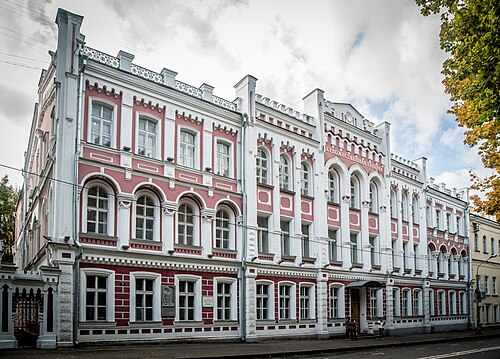
Здание реального училища, Смоленск20150920

Долгочевская башня первая в ансамбле

Smolensk