Social Credit Board
Videos
The Social Credit Board was a committee in Alberta, Canada, from 1937 until 1948. Composed of Social Credit backbenchers in the Legislative Assembly of Alberta, it was created in the aftermath of the
The Social Credit Board was a concession by William Aberhart to stay in power in the wake of the 1937 Social Credit backbenchers' revolt.


Though C. H. Douglas declined to come to Alberta himself, he sent two assistants to advise the Social Credit Board.
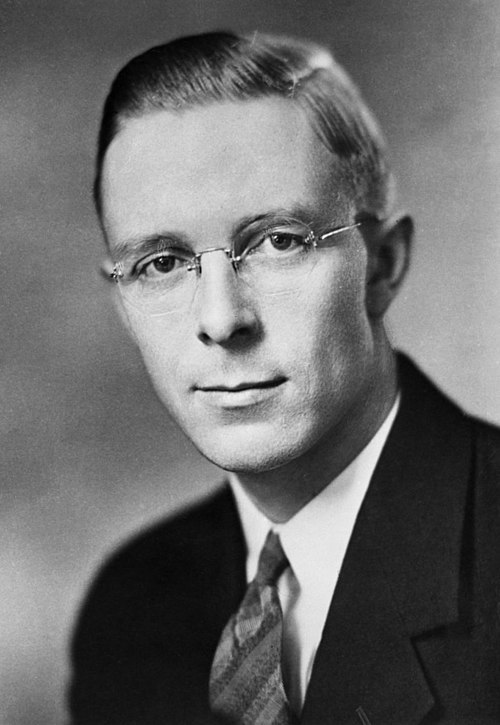
The government of Ernest Manning proved less tolerant of the board than Aberhart's had.
John Hugill
Videos
John William Hugill was a Canadian lawyer and politician who served as Attorney General of Alberta from 1935 until 1937. Born in England, he came to Canada and studied law before setting up a practice
Social Credit Board
…legislation was unconstitutional. Lieutenant-Governor of Alberta John Campbell Bowen, asked to give royal assent to these bills, asked Attorney-General John Hugill if he considered them to be valid under the Canadian constitution. Hugill responded in the negative and, after being asked to do so by Aberhart, resigned…

John Hugill

Hugill (in top hat) as acting mayor of Calgary during the visit of Julian Byng, 1st Viscount Byng of Vimy and Lady Byng to that city, 1922

Hugill (in the foreground) looks on as William Aberhart (centre) and Prime Minister R.B. Bennett shake hands.
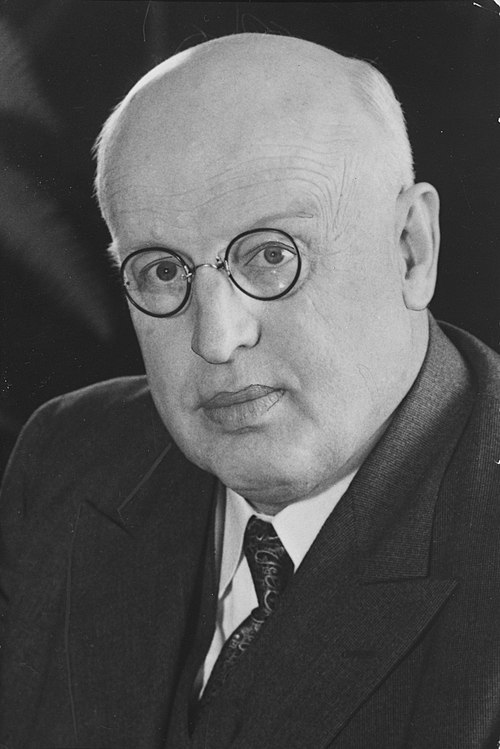
W aberhart