State Shinto
Videos
State Shintō was Imperial Japan's ideological use of the Japanese folk religion and traditions of Shinto. The state exercised control of shrine finances and training regimes for priests to strongly en

Empire of Japan's 50 sen banknote, featuring Yasukuni Shrine

This 1878 engraving by Toyohara Chikanobu (1838–1912) visually presents the central tenet of State Shinto (1871–1946). This Shinto variant asserted and promoted belief in the divinity of the Emperor, which arose from a genealogical family tree extending back to the first emperor and to the most important deities of Japanese mythology.

Emperor Hirohito and General MacArthur, at their first meeting, at the U.S. Embassy, Tokyo, 27 September 1945

A torii gate at Yasukuni shrine
Shinto
Videos
Shinto, also called Shintoism, is a religion from Japan. Classified as an East Asian religion by scholars of religion, it is often regarded by its practitioners as Japan's indigenous religion and as a
State Shinto
…State Shintō (国家神道 or 國家神道, Kokka Shintō) was Imperial Japan's ideological use of the Japanese folk religion and traditions of Shinto. The state exercised control of shrine finances and training regimes for priests to strongly encourage Shinto practices that emphasized the emperor as…

The torii gateway to the Itsukushima Shrine in Hiroshima Prefecture, Japan, one of the most famous examples in the country. Torii mark the entrance to Shinto shrines and are recognizable symbols of the religion.

A torii gateway to the Yobito Shrine (Yobito-jinja) in Abashiri City, Hokkaido
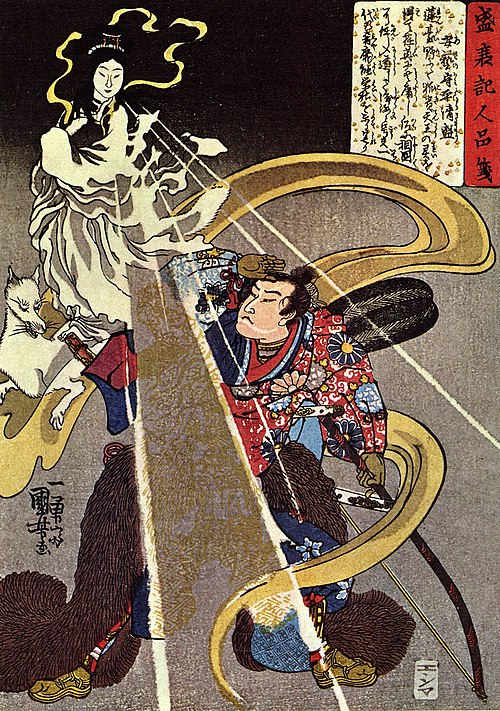
An artistic depiction by Utagawa Kuniyoshi of the kami Inari appearing to a man

A 3000 year old sacred tree (shintai) of Takeo Shrine