The State of Thuringia was a state of the Weimar Republic from 1920 to 1933, of Nazi Germany from 1933 to 1945 and of East Germany from 1949 to 1952. Following German reunification, the renamed Free S

Weimar's City Hall in 1925

The former Thuringian Landtag building in Weimar

Fritz Sauckel (shown here in 1937), was Thuringia's first Nazi Gauleiter. He later became minister-president (1932–1933) and was Reichsstatthalter (governor) from 1933 to 1945.

Wilhelm Frick in 1938. He was the Nazi Party minister of the interior and education in Thuringia in 1930.
East Germany
Videos
East Germany, officially the German Democratic Republic, was a country in Central Europe from its formation on 7 October 1949 until its reunification with West Germany on 3 October 1990. Until 1989, i
State of Thuringia (1920–1952)
…The State of Thuringia (German: Land Thüringen, ) was a state of the Weimar Republic from 1920 to 1933, of Nazi Germany from 1933 to 1945 and of East Germany from 1949 to 1952. Following German reunification, the renamed Free State of Thuringia became a member state of the Federal Republic of Germany in 1990…

GDR leaders: President Wilhelm Pieck and Prime Minister Otto Grotewohl, 1949
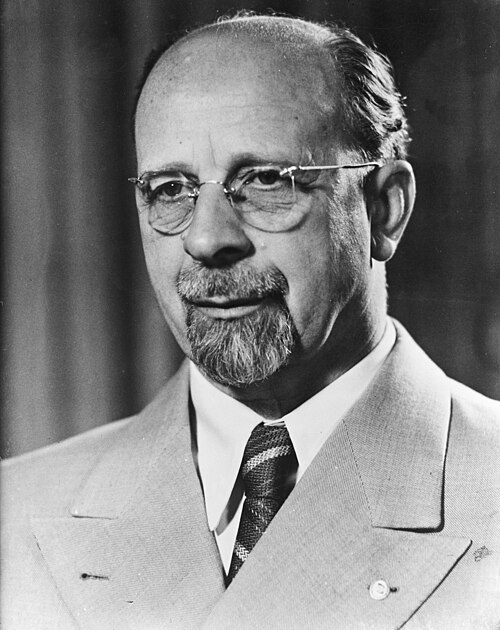
SED First Secretary, Walter Ulbricht, 1960
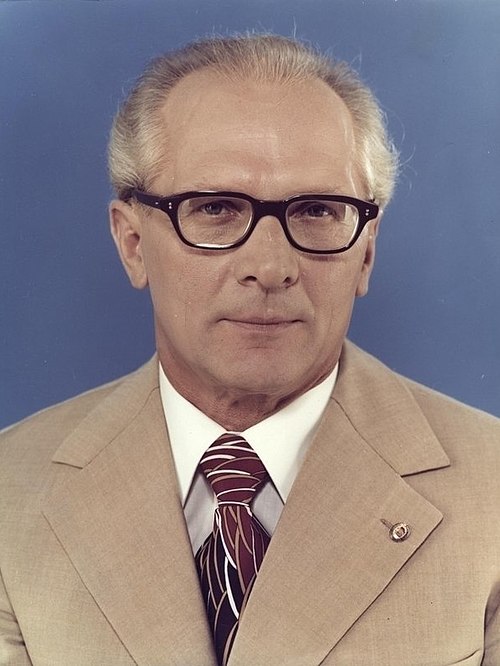
Erich Honecker, head of state (1971–1989)

Chancellor of the Federal Republic of Germany (West Germany) Helmut Schmidt, Chairman of the State Council of the German Democratic Republic (East Germany) Erich Honecker, U.S. president Gerald Ford and Austrian chancellor Bruno Kreisky signing the Helsinki Act