Stop motion
Videos
Stop motion is an animated filmmaking and special effects technique in which objects are physically manipulated in small increments between individually photographed frames so that they will appear to

A clay model of a chicken, designed to be used in a clay stop motion animation

Stills from Battle of the Suds and other Helena Smith-Dayton films (1917)

Pat & Mat, two inventive but clumsy neighbors, was introduced in 1976, while the first made-for-TV episode Tapety (translated Wallpaper) was produced in 1979 for ČST Bratislava.

1989's A Grand Day Out introduced Nick Park's famous Wallace & Gromit characters, which are still animated in stop motion for all television and film appearances.
Animation
Videos
Animation is a filmmaking technique whereby pictures are created or manipulated and then played in sequence to create the illusion of moving images. In traditional animation, images are drawn or paint
Stop motion
…Stop motion (also known as stop frame animation or object animation) is an animated filmmaking and special effects technique in which objects are physically manipulated in small increments between individually photographed frames so…

The Adventures of Prince Achmed (1926) by Lotte Reiniger

Italian-Argentine cartoonist Quirino Cristiani showing the cut and articulated figure of his satirical character El Peludo (based on President Yrigoyen) patented in 1916 for the realisation of his films, including the world's first animated feature film El Apóstol
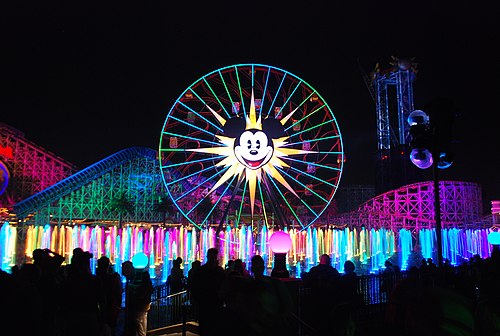
World of Color hydrotechnics at Disney California Adventure creates the illusion of motion using 1,200 fountains with high-definition projections on mist screens.