Subligaculum
Videos
A subligaculum was a kind of underwear worn by ancient Romans. It could come either in the form of a pair of shorts, or in the form of a simple loincloth wrapped around the lower body. It could be wor

Female athletes wearing a bikini-like combination of a subligaculum and a very strophium (breast-cloth) (Sicily, c. 300 AD)

A statuette of a Hoplomachus (pl. hoplomachi) gladiator in ancient Rome, armed to resemble a Greek Hoplite (soldier with heavy armor and helmet, a round shield, a spear and a sword) wearing a bronze helmet, a manica on his right arm, loincloth (subligaculum).

Detail of Gladiator mosaic showing a Thraex and a Murmillo gladiator fighting, each wearing distinct armor and Subligaculum loincloth.
Dhoti
Videos
The dhoti is an ankle-length breechcloth, wrapped around the waist and the legs, in resemblance to the shape of trousers. The dhoti is a garment of ethnic wear for men in the Indian subcontinent. The
Subligaculum
…and minimal armour. The subligaculum was a functional and essential part of a gladiator’s attire, offering modesty and freedom of movement in combat. Dhoti Fundoshi…

A Dogra dancer wears a dhoti, at a theatre in Jammu.

An illustration of dhoti-clad recruits in the British Indian Army.

Ashoka of the Mauryan Empire depicted on the Amaravati Stupa, 1st century CE.
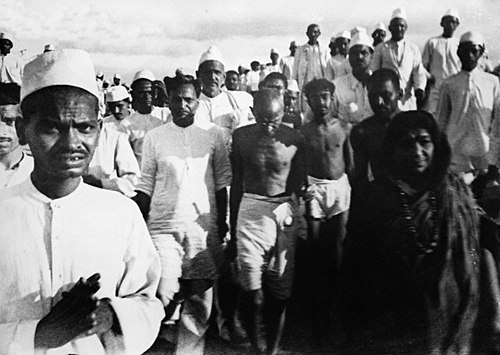
M K Gandhi in 1935