Subpoena ad testificandum
Videos
A subpoena ad testificandum is a court summons to appear and give oral testimony for use at a hearing or trial. The use of a writ for purposes of compelling testimony originated in the ecclesiastical
Prior to the Fourth Lateran Council, the norm was trial by ordeal.


Pope Innocent III was indirectly responsible for the use of subpoena when trial by ordeal was outlawed by the Fourth Lateran Council
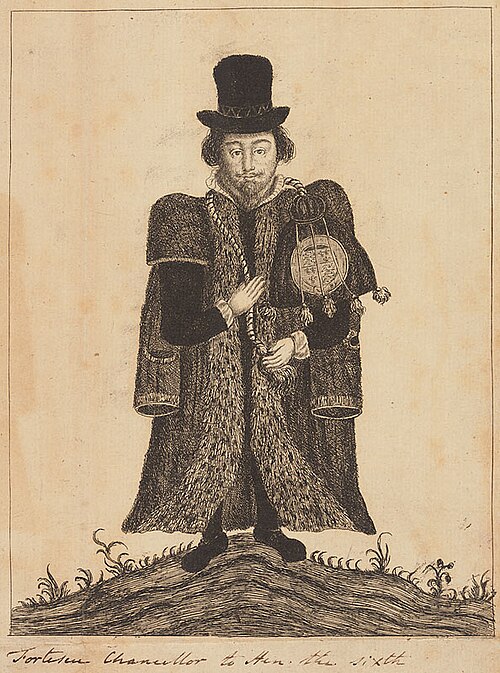
John Fortescue (judge) gives a picture of modern-form jury trials.

Early juries might consist of twenty-four knights. Later maintenance and corruption became problematic.
Court of Chancery
Videos
The Court of Chancery was a court of equity in England and Wales that followed a set of loose rules to avoid a slow pace of change and possible harshness of the common law. The Chancery had jurisdicti
Subpoena ad testificandum
…over time by civil and criminal courts in England and the European continent. The subpoena developed as a creative writ, the "writ subpoena", from the Court of Chancery. Writs of many kinds formed the essential parts of litigation. The primary function of a writ in the 13th and 14th centuries was to convey the king's…
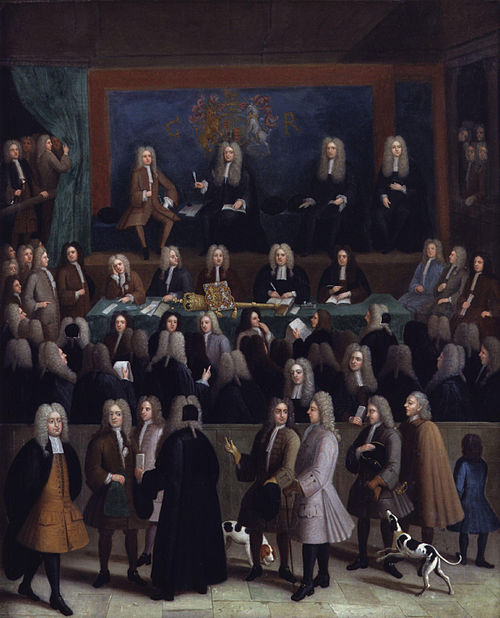
c. 1725 painting of the Court of Chancery

The English king Edward I, during whose reign the chancellor's jurisdiction was established

Westminster Hall, where the Court sat almost continuously from the reign of Edward III until its dissolution in 1875
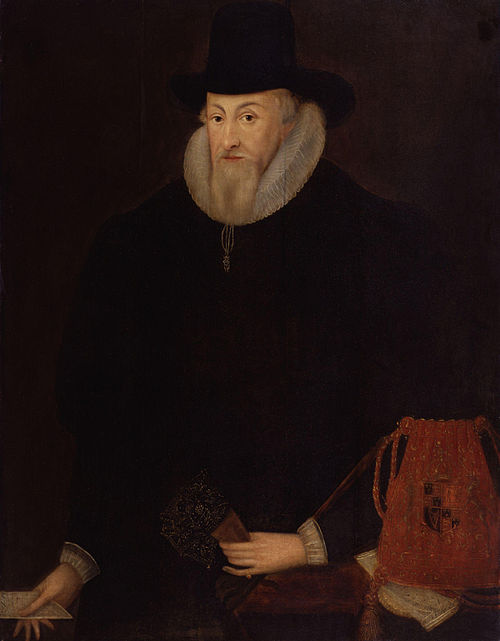
Lord Ellesmere, who worked to maintain the Chancery's ability to override the common law courts as lord chancellor