The suppression of the Society of Jesus was the removal of all members of the Jesuits from most of Western Europe and their respective colonies beginning in 1759 along with the abolition of the order
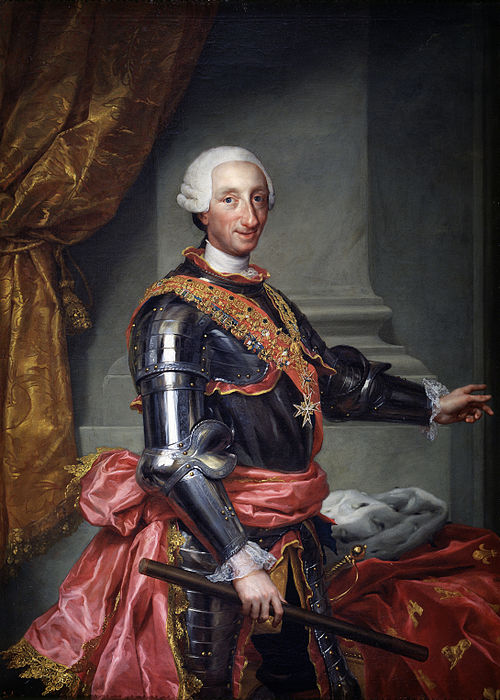
Charles III of Spain, who ordered the expulsion of the Jesuits from Spanish realms

Motín de Esquilache, Madrid, attributed to Francisco de Goya (c. 1766, 1767)

Manuel de Roda, adviser to Charles III, who brought together an alliance of those opposed to the Jesuits

José de Gálvez, Visitador generál in New Spain (1765–71), was instrumental in the Jesuit expulsion in 1767 in Mexico, considered part of the Bourbon Reforms.
Jesuits
Videos
The Society of Jesus, also known as the Jesuit Order or the Jesuits, is a religious order of clerics regular of pontifical right for men in the Catholic Church. Headquartered in Rome, it was founded i
Suppression of the Society of Jesus
…The suppression of the Society of Jesus was the removal of all members of the Jesuits from most of Western Europe and their respective colonies beginning in 1759 along with the abolition of the order by the Holy See in 1773; the papacy…

Ignatius of Loyola, the founder of the Jesuits

A fresco depicting Ignatius receiving the papal bull from Pope Paul III was created after 1743 by Johann Christoph Handke in the Church of Our Lady Of the Snow in Olomouc.
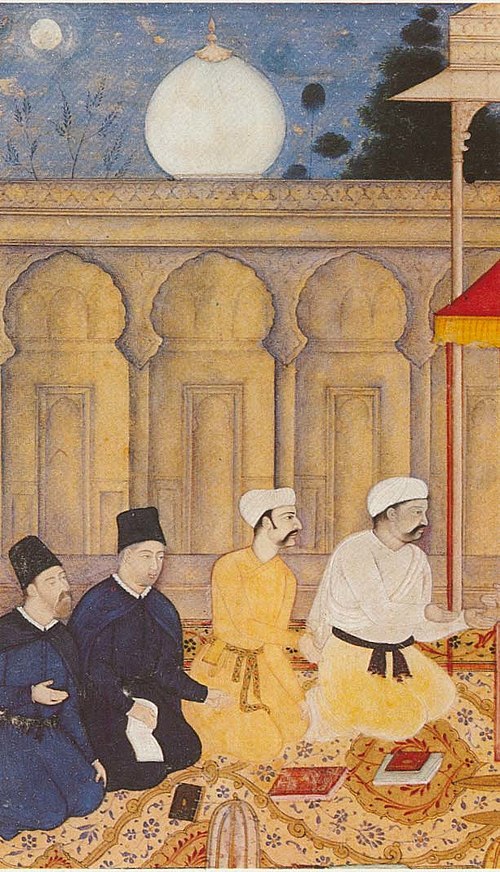
Jesuits at Akbar's court in India, c. 1605

Ratio Studiorum, 1598