Tang dynasty
Videos
The Tang dynasty was an imperial dynasty of China that ruled from 618 to 907, with an interregnum between 690 and 705. It was preceded by the Sui dynasty and followed by the Five Dynasties and Ten Kin
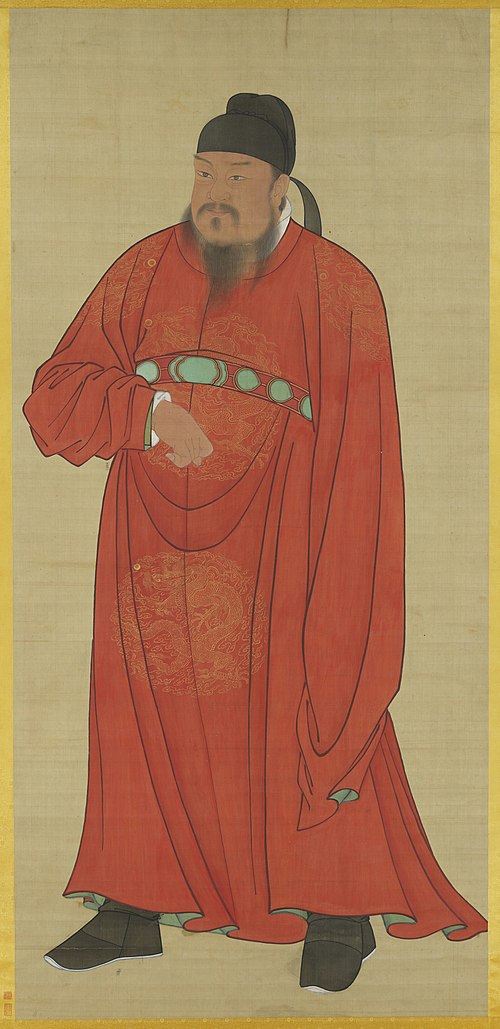
Portrait of Emperor Gaozu of Tang (566–635) dating to the Ming dynasty (1368–1644)
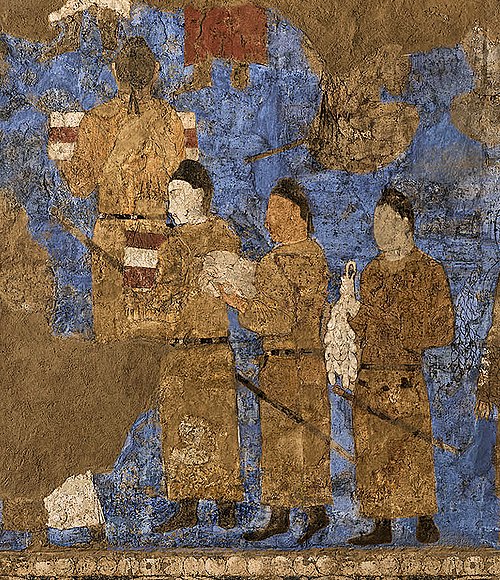
Tang emissaries to the Sogdian king Varkhuman in Samarkand (648–651) – Afrasiab murals

7th-century Sogdian Huteng dancer – Xiuding temple pagoda, Anyang, Henan

Foreign ambassadors visiting the Tang court – the Portraits of Periodical Offering by Yan Liben (601–673)
The Five Dynasties and Ten Kingdoms Period was an era of political upheaval and division in Imperial China from 907 to 979 CE. Five dynastic states quickly succeeded one another in the Central Plain,
Tang dynasty
…imperial dynasty of China that ruled from 618 to 907, with an interregnum between 690 and 705. It was preceded by the Sui dynasty and followed by the Five Dynasties and Ten Kingdoms period. Historians generally regard the Tang as a high point of Chinese civilisation, and a golden age of cosmopolitan culture. Tang territory, acquired through…

Palace Banquet by Anonymous, Five Dynasties and Ten Kingdoms period, 10th century

Riverbank by Dong Yuan (932–962)
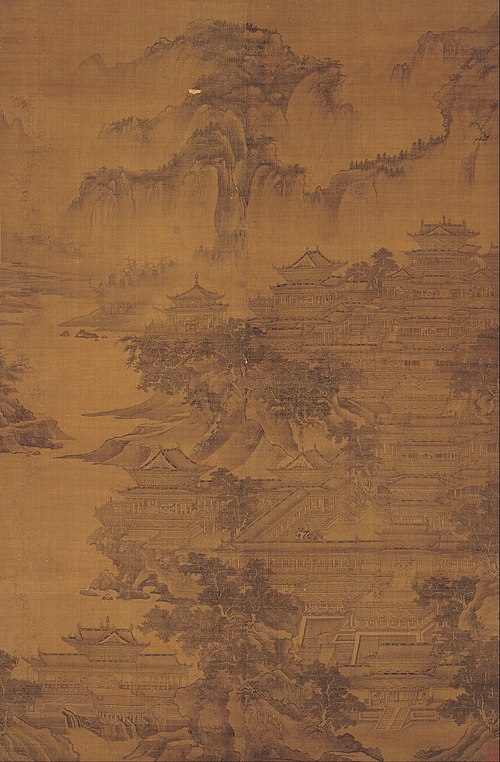
Summer Palace of Emperor Ming (明皇避暑宮) by Guo Zhongshu (929–977)

The Yueyang Tower by Li Sheng (fl. 908–925)