Texas annexation
Videos
The Texas annexation was the incorporation of the Republic of Texas into the United States by joint resolution of Congress, culminating in its admission to the Union as the 28th state on December 29,

Louisiana Purchase boundaries of 1803

Mexican General López de Santa Anna's surrender to Sam Houston

Mirabeau B. Lamar, second president of the Republic of Texas, terminated annexation efforts with the Martin Van Buren Administration in 1838.
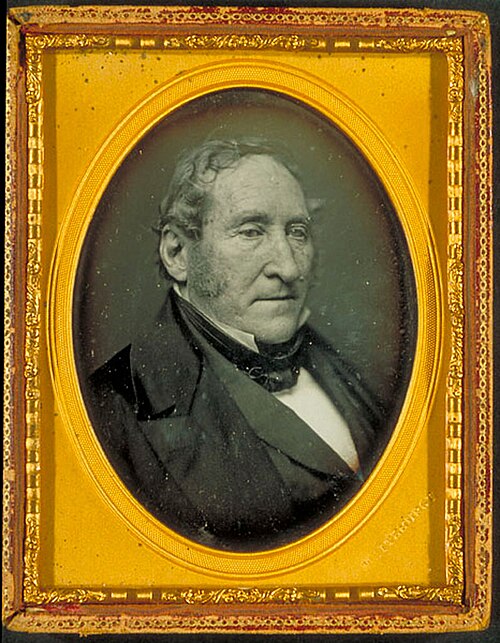
Senator Thomas Hart Benton of Missouri
Republic of Texas
Videos
The Republic of Texas, or simply Texas, was a short-lived sovereign country in North America from March 2, 1836, to February 19, 1846. Texas was bordered by Mexico to the west and southwest, the Gulf
Texas annexation
…The Texas annexation was the incorporation of the Republic of Texas into the United States by joint resolution of Congress, culminating in its admission to the Union as the 28th state on December 29, 1845. The Republic…

Spanish missions in Texas

Chief Tosahwi of the Penateka Comanche

Sam Houston and Stephen F. Austin depicted on a 1936 US postage stamp commemorating 100th anniversary of the Texas Republic

The Hôtel Bataille de Francès (now Hôtel de Vendôme), Place Vendôme in Paris, housed the Embassy of the Republic of Texas.