The Doors of Perception
Videos
The Doors of Perception is an autobiographical book written by Aldous Huxley. Published in 1954, it elaborates on his psychedelic experience under the influence of mescaline in May 1953. Huxley recall
First edition, published in 1954


A peyote cactus, from which mescaline is derived.

One of the copies of William Blake's unique hand painted editions, created for the original printing of the poem. The line from which Huxley draws the title is in the second to last stanza. This image represents Copy H, Plate 14 of The Marriage of Heaven and Hell which is currently held at The Fitzwilliam Museum.
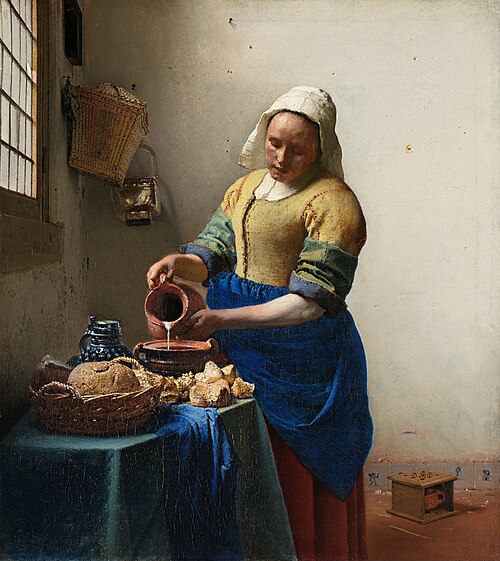
The Milkmaid by Johannes Vermeer. "That mysterious artist was truly gifted with the vision that perceives the Dharma-Body as the hedge at the bottom of the garden", reflected Huxley.
Mescaline
Videos
Mescaline, also known in chemical terms as 3,4,5-trimethoxyphenethylamine, is a naturally occurring psychedelic drug and alkaloid of the phenethylamine and scaline families found in certain cacti like
The Doors of Perception
…Perception is an autobiographical book written by Aldous Huxley. Published in 1954, it elaborates on his psychedelic experience under the influence of mescaline in May 1953. Huxley recalls the insights he experienced, ranging from the "purely aesthetic" to "sacramental vision", and reflects on their philosophical…
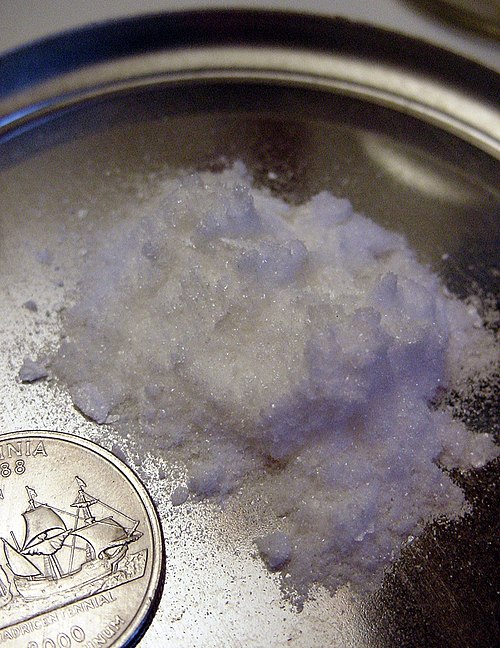
A sample of pure mescaline.

Trichocereus pachanoi (San Pedro cactus) in Peru.

Dried peyote (Lophophora williamsii), containing ~5 to 6% mescaline by weight.

The stela of the cactus bearer, a piece of ancient Peruvian art depicting the San Pedro cactus.