The Ethics of Diet
Videos
The Ethics of Diet: A Catena of Authorities Deprecatory of the Practice of Flesh-eating is an 1883 book by the English writer and humanitarian Howard Williams, published by F. Pitman and John Heywood.
First edition cover

History of vegetarianism
Videos
The earliest records of vegetarianism as a concept and practice amongst a significant number of people are from ancient India, especially among the Hindus and Jains. Later records indicate that small
Pārśvanātha founded Jain vegetarianism in the 9th century BCE, which is widely considered to be the strictest and most comprehensive form of vegetarianism.


The 5th-century CE Tamil scholar Valluvar, in his Tirukkural, taught ahimsa and moral vegetarianism as personal virtues. The plaque in this statue of Valluvar at an animal sanctuary at Tiruvallur describes the Kural's teachings on ahimsa and non-killing, summing them up with the definition of veganism.
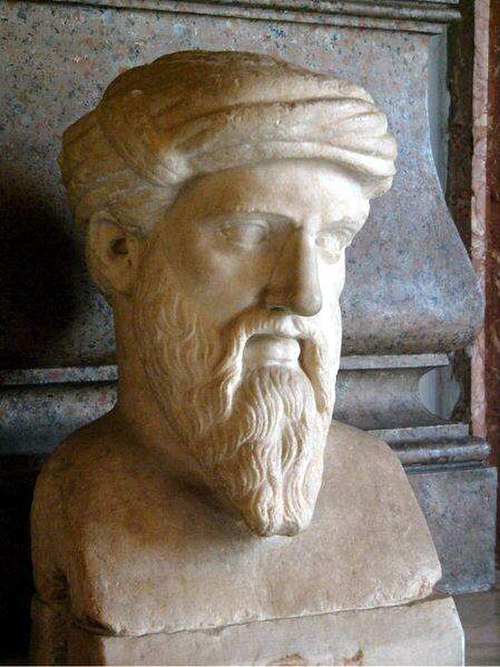
The Greek philosopher and religious teacher Pythagoras (570–495 BCE) is said to have advocated vegetarianism, but it is more likely that he only prohibited his followers from consuming certain kinds of meat. Later Pythagoreans did practice various forms of vegetarianism.

Pythagoras Advocating Vegetarianism (1618–1630) by Peter Paul Rubens and Frans Snyders was inspired by Pythagoras's speech advocating vegetarianism in Ovid's Metamorphoses.