"The Man in the Moon Stayed Up Too Late" is J. R. R. Tolkien's imagined original song behind the nursery rhyme "Hey Diddle Diddle ", invented by back-formation. It was first published in Yorkshire Poe

1882 illustration by Randolph Caldecott of the centuries-old nursery rhyme "Hey Diddle Diddle, the Cat and the Fiddle". Tolkien's version features "a tipsy cat that plays a five-stringed fiddle".

Relief sculpture on wall of the Cat and Fiddle public house. The pub name derives from the nursery rhyme.

Scholars have compared the song to Moon and Sun stories at different levels, all the way back to the Greek myth of Phaethon who brought the Sun too close to the Earth. Roman sarcophagus depicting the fall of Phaethon.

In 1997 the Tolkien Ensemble performed the song in a setting by ensemble members Caspar Reiff and Peter Hall.
Man in the Moon
Videos
In many cultures, several pareidolic images of a human face, head or body are recognized in the disc of the full moon; they are generally known as the Man in the Moon. The images are based on the appe
The Man in the Moon Stayed Up Too Late
…Tom Bombadil. Scholars have noted that Tolkien liked to imitate medieval works, and that the light-hearted poem fits into a reworking by Tolkien of the "Man in the Moon" tradition. This tradition consisted of myths such as that of Phaethon who drove the Sun too close to the Earth, down through a medieval story of the unlucky man…

The Man in the Moon is struck by a spacecraft in the Georges Méliès 1902 fantasy film Le Voyage dans la Lune

Near full moon over Berlin, Germany, in December 2015, approximately 30 minutes after moonrise
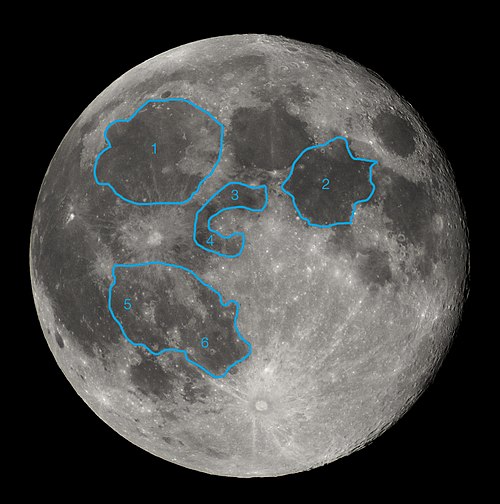
Common interpretation of the Man in the Moon as seen from the Northern Hemisphere
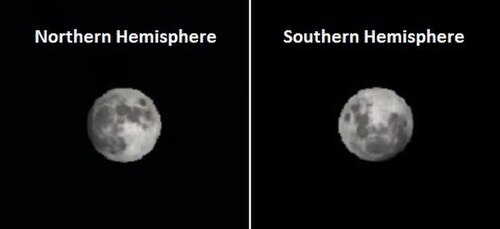
Moon's appearance for same longitude, but different hemispheres, 30 minutes after moonrise (generated model)