The Merry Wives of Windsor
Videos
The Merry Wives of Windsor or Sir John Falstaff and the Merry Wives of Windsor is a comedy by William Shakespeare first published in 1602, though believed to have been written in or before 1597. The W
The title page of the 1602 edition: A most pleasant and excellent conceited comedy, of Sir John Falstaff, and the merry Wives of Windsor. Entermixed with the sundry variable and pleasing humours of Sir Hugh the Welsh knight, Justice Shallow and his wise Cousin M. Slender. With the swaggering vaine of ancient Pistoll, and corporal Nym.

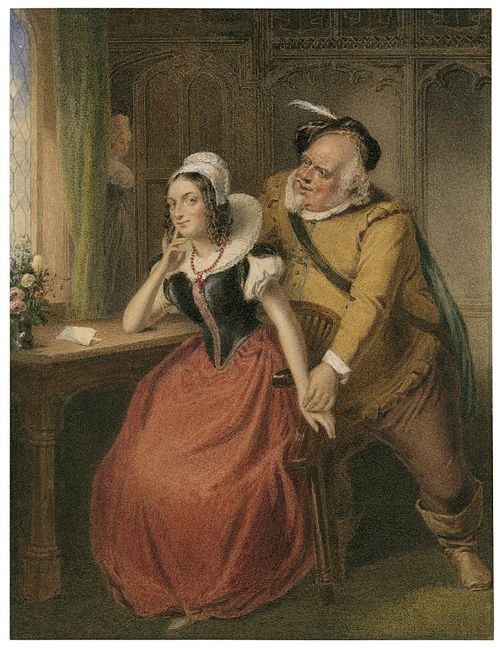
A watercolour of Act III, Scene iii: Falstaff wooing Mistress Ford.

Falstaff in the Laundry Basket by Henry Fuseli, 1792

The title page from a 1565 printing of Giovanni Fiorentino's 14th century tale, Il Pecorone.
John Tucker Must Die
Videos
John Tucker Must Die is a 2006 teen comedy film directed by Betty Thomas and starring Jesse Metcalfe, Brittany Snow, Ashanti, Sophia Bush, Arielle Kebbel, and Jenny McCarthy. The plot centers around a
The Merry Wives of Windsor
…Saxe-Coburg-Gotha through his mother) countered this by jokingly saying that he wanted to see a command performance of "The Merry Wives of Saxe-Coburg-Gotha." John Tucker Must Die, a loose American modern adaptation of the play that re-imagines it as a teen comedy, directed by Betty Thomas (2006) The Other Woman is a 2014 buddy…

Theatrical release poster