The Well-Tempered Clavier
Videos
The Well-Tempered Clavier, BWV 846–893, consists of two sets of preludes and fugues in all 24 major and minor keys for keyboard by Johann Sebastian Bach. In the composer's time clavier referred to a v
Title page of Das Wohltemperirte Clavier, Book 1 (autograph)


Bach's autograph of the 4th Fugue of Book 1

Bach's autograph of Fugue No. 17 in A♭ major from the second part of Das Wohltemperirte Clavier

Early version BWV 846a (1720) of the first prelude of the first book, as written down by Bach in his eldest son's notebook
Johann Sebastian Bach
Videos
Johann Sebastian Bach was a German composer and musician of the late Baroque period. He is known for his prolific output across a variety of instruments and forms, including the orchestral Brandenburg
The Well-Tempered Clavier
…The Well-Tempered Clavier, BWV 846–893, consists of two sets of preludes and fugues in all 24 major and minor keys for keyboard by Johann Sebastian Bach. In the composer's time clavier referred to a variety of keyboard instruments, namely the harpsichord, the clavichord and the organ (which operates…
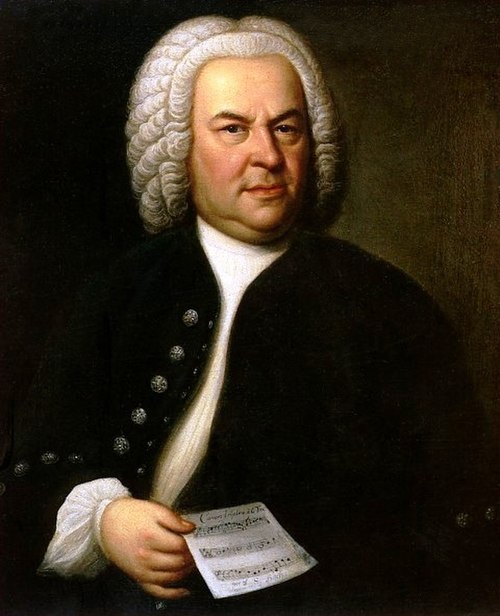
1748 portrait of Bach holding a copy of the canon BWV 1076
![Johann Ambrosius Bach, 1685, Bach's father. Painting attributed to Johann David Herlicius [de]](https://upload.wikimedia.org/wikipedia/commons/thumb/e/e0/Johann_Ambrosius_Bach.jpg/500px-Johann_Ambrosius_Bach.jpg)
Johann Ambrosius Bach, 1685, Bach's father. Painting attributed to Johann David Herlicius [de]
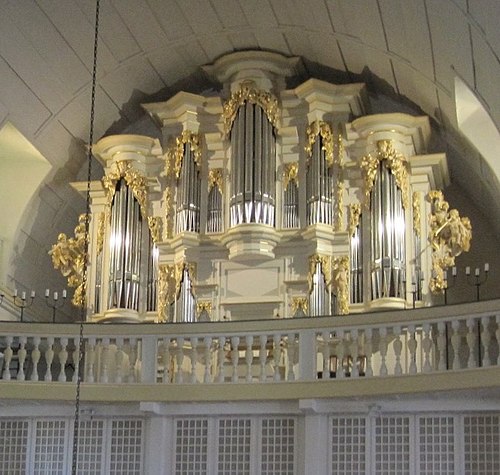
Current version of the Wender organ in the Bach Church, Arnstadt.
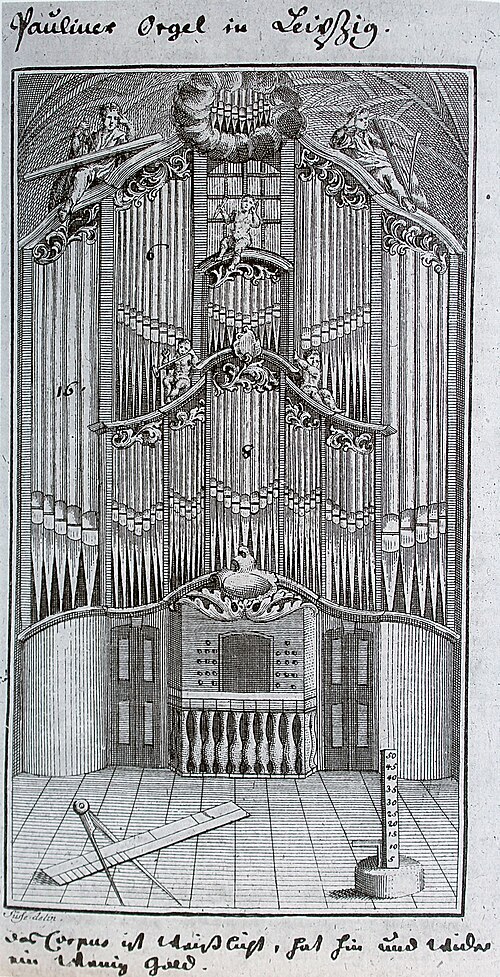
Organ of the St Paul's Church in Leipzig, tested by Bach in 1717