Theobald Theodor Friedrich Alfred von Bethmann Hollweg was a German politician who was imperial chancellor of the German Empire from 1909 to 1917. He oversaw the German entry into World War I and play
Bethmann Hollweg in 1914

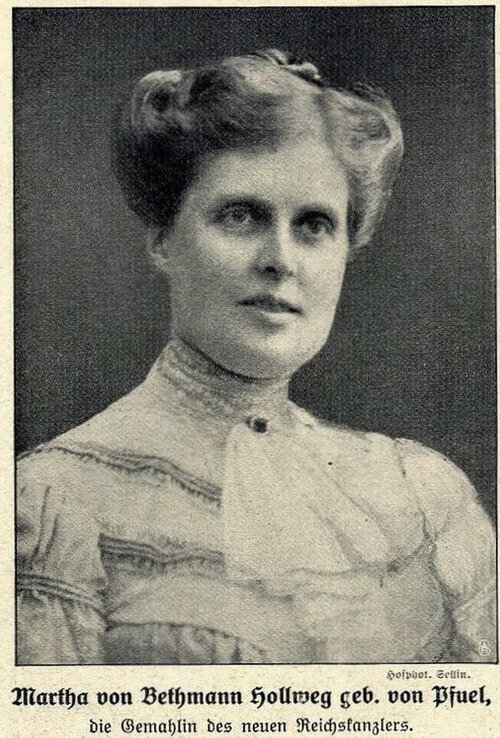
Martha von Bethmann Hollweg in 1909

Emperor Wilhelm II in 1904

Alfred von Kiderlen-Waechter
Wilhelm II
Videos
Wilhelm II was the last German Emperor from 1888 until his abdication in 1918. His fall from power marked the end of the German Empire as well as the Hohenzollern dynasty's 400-year rule over Prussia.
Theobald von Bethmann Hollweg
…member of the Reichstag in 1890. The experience left him unsympathetic to the party system and an independent for the remainder of his political life. Emperor Wilhelm II appointed him chancellor in 1909, in part because he approved of his conciliatory political style. His eight years as chancellor showed him to be…

Wilhelm in 1902

Wilhelm in 1867, aged 8

Wedding of Prince Henry of Prussia with Princess Irene of Hesse on 24 May 1888. The future emperor Wilhelm II is on the right. The emperor Frederick III is seated on the left and would have died just three weeks after.
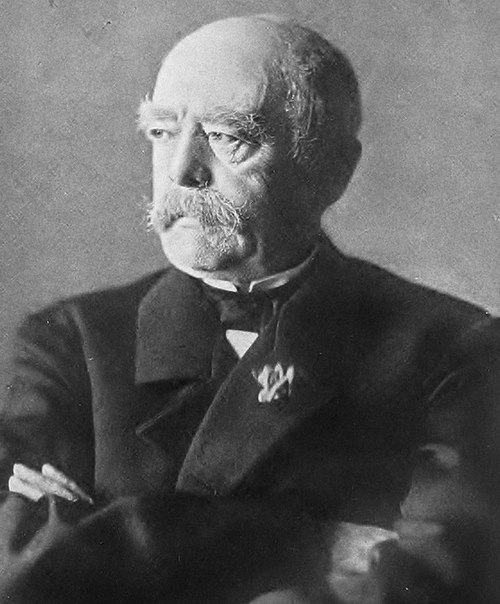
Otto von Bismarck, the Chancellor who effectively dictated German policy until Wilhelm II assumed the throne in 1888