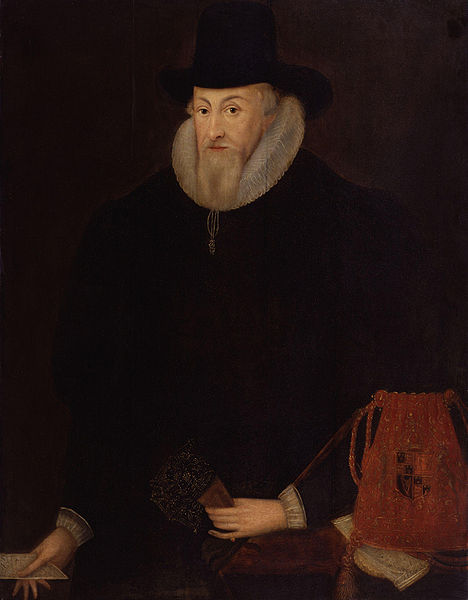
Sir Thomas Clarke was a British judge who served as Master of the Rolls. He was the son of a carpenter and a pawnbroker from St Giles in the Fields, and was educated at Westminster School between 1715 and 1721 thanks to the help of Zachary Pearce. On 10 June 1721 he matriculated to Trinity College, Cambridge, graduating with a BA in 1724. He became a fellow of Trinity College in 1727, and a member of Gray's Inn the same year. Clarke was evidently knowledgeable in Roman law, and was mentioned in a poem called the causidicade as a possible Solicitor General in 1742. He became a King's Counsel (KC) in 1740, and in 1742 left Gray's Inn to join Lincoln's Inn, which he became a bencher of in 1754.
Thomas Clarke (judge)
The Keeper or Master of the Rolls and Records of the Chancery of England, known as the Master of the Rolls, is the President of the Civil Division of the Court of Appeal of England and Wales and Head of Civil Justice. As a judge, the Master of the Rolls is second in seniority in England and Wales only to the Lord Chief Justice. The position dates from at least 1286, although it is believed that the office probably existed earlier than that.
Thomas Cromwell, a highly influential figure during the reign of Henry VIII
Sir Thomas Egerton, who served as Lord Keeper and Lord Chancellor for 21 years
Sir John Trevor, the last Speaker of the House of Commons to resign in over 300 years until the resignation of Michael Martin in 2009
Sir Nathaniel Lindley, who made key judgments in a variety of important cases and was the last Serjeant-at-Law appointed, the last to sit as a judge and the last surviving.