Thomas Holcroft (politician)
Videos
Sir Thomas Holcroft was a sixteenth-century English courtier, soldier, politician and landowner.


Thomas Cromwell, Henry VIII's principal secretary and chief minister, who steered through the key measures of the English Reformation. His patronage provided Holcroft's most important opportunities for enrichment.
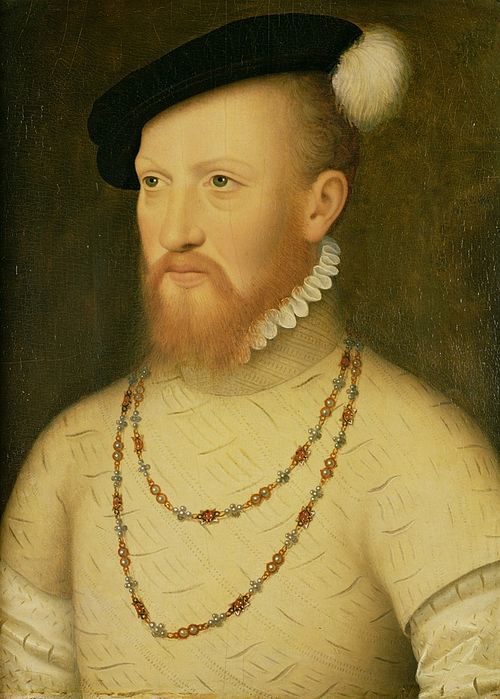
Edward Seymour, Earl of Hertford and 1st Duke of Somerset. He knighted Holcroft in 1544 and was his key patron in the reign of Edward VI.

An unknown nobleman, thought to be Lord Grey de Wilton in 1547, by Gerlach Flicke, National Gallery of Scotland. Grey de Wilton commended Holcroft's conduct at the siege of Haddington.
Burning of Edinburgh
Videos
The Burning of Edinburgh in 1544 by an English army was the first major action of the war of the Rough Wooing. The Provost of Edinburgh was compelled to allow the English to sack Leith and Edinburgh, and the city was burnt on 7 May. However, the Scottish artillery within Edinburgh Castle harassed the English forces, who had neither the time nor the resources to besiege the Castle. The English fleet sailed away loaded with captured goods, and with two ships that had belonged to James V of Scotland.
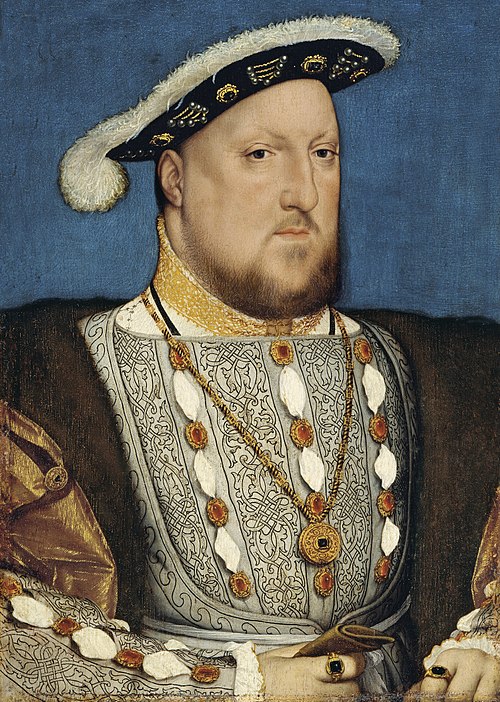

Hertford

The carrack Pauncy from the Anthony Roll

St Ninian's Chapel at the Bridgend was burnt in May 1544. The attached manse still stands.