Tondo (art)
Videos
A tondo is a Renaissance term for a circular work of art, either a painting or a sculpture. The word derives from the Italian rotondo, "round". The term is usually not used in English for small round
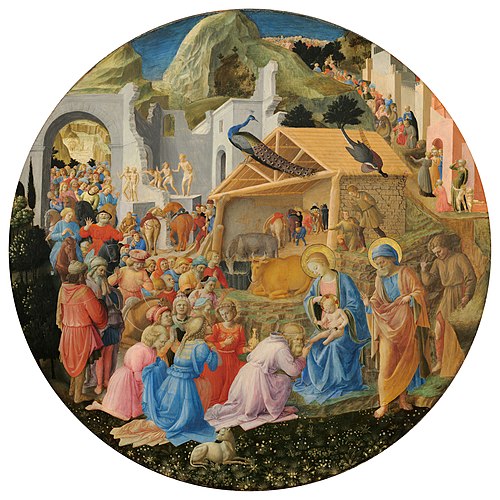
Fra Angelico and Fra Filippo Lippi, Adoration of the Magi, c. 1440/1460, National Gallery of Art

Portrait of family of Septimius Severus, so-called Severan Tondo, Roman painting of c. 200 AD, Altes Museum, Berlin

Andrea della Robbia, Madonna and Child with Cherubin, 1485

Michelangelo, Pitti Tondo, c. 1504–05, Uffizi
Fra Angelico
Videos
Fra Giovanni da Fiesole, known posthumously as Fra Angelico, was an Italian Dominican friar and painter active during the early Florentine Renaissance.
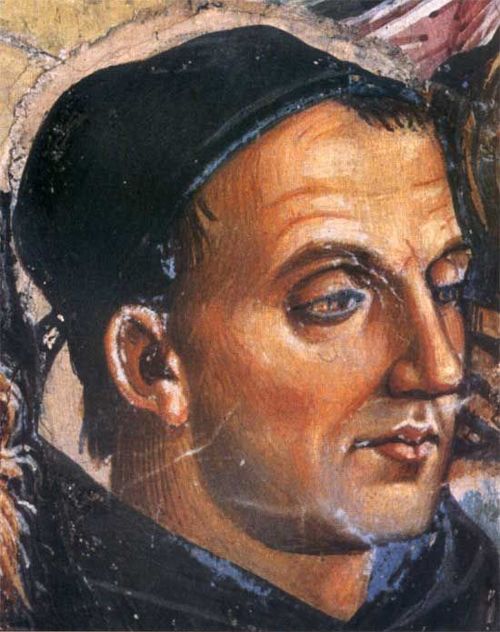
Posthumous portrait from The Preaching of the Antichrist by Luca Signorelli (c. 1501) in Orvieto Cathedral, Italy

Annunciation, c. 1440–1445

San Marco Altarpiece

The Crucified Christ (detail)