Transport in Turkey
Videos
Transport in Turkey is road-dominated and mostly fuelled by diesel. Transport consumes a quarter of energy in Turkey, and is a major source of air pollution in Turkey and greenhouse gas emissions by T

Istanbul Airport is the main international airport serving Istanbul, Turkey. It is a major hub in the world.

Haydarpaşa railway station built in 1909 by the Anatolian Railway (CFOA) as the western terminus of the Baghdad and Hedjaz railways, has become a symbol of Istanbul and Turkey and is famous throughout the Middle East.

TCDD HT80000 (Siemens Velaro TR) has a maximum operating speed of 300 km/h (186 mph)

Trams in Kayseri
Turkey
Videos
Turkey, officially the Republic of Türkiye, is a country mainly located in Anatolia in West Asia, with a smaller part called East Thrace in Southeast Europe. It borders the Black Sea to the north; Geo
Transport in Turkey
…by Turkey. The World Health Organization has called for more active transport such as cycling. As of 2023 health impact assessment is not done in Turkey. The TCDD – Türkiye Devlet Demir Yolları (Turkish State Railways) possess 13,919 km of 1,435 mm (4 ft 8+1⁄2 in) gauge, of which 7,142 km are electrified…
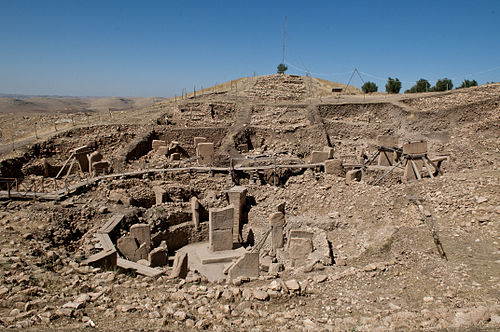
Some henges at Göbekli Tepe were erected as far back as 9600 BC, predating those of Stonehenge by over seven millennia.

The Lycian Way is a 760 kilometers (470 mi) long hiking path in Southwestern Turkey.

The Library of Celsus in Ephesus was built by the Romans in 114–117.

The Hagia Sophia in Constantinople (now Istanbul) was built by the Eastern Roman emperor Justinian the Great in 532–537.