Trappists
Videos
The Trappists, officially known as the Order of Cistercians of the Strict Observance and originally named the Order of Reformed Cistercians of Our Lady of La Trappe, are a Catholic religious order of
Armand Jean le Bouthillier de Rancé, the founder of the Trappists


Orval Abbey in Belgium

Monks of the Abbey of Our Lady of Gethsemani in the early 20th century

Trappist monks in Pertapaan Rawaseneng, Indonesia, praying Terce
Trappist beer
Videos
Trappist beer is brewed by Trappist monks. Thirteen Trappist monasteries—six in Belgium, two in the Netherlands, and one each in Italy, England, France, and Spain— produce beer, but the Authentic Trap
Trappists
…community's spiritual growth. The goods produced range from cheeses, bread, and other foodstuffs to clothing and coffins. Their most famous products are Trappist beers. These are a unique category in the beer world, and are lauded for their high quality and flavor. Monasteries brew beer for both the monks themselves…

Beers with Authentic Trappist Product label from Trappist breweries in 2015: Achel, Chimay, Engelszell, La Trappe, Orval, Spencer, Rochefort, Tre Fontane, Westmalle, Westvleteren, and Zundert (not pictured: Mount St Bernard Abbey)

Orval trappist beer

Westmalle Tripel
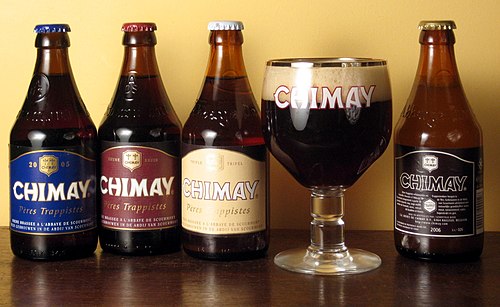
Chimay beers and glass