Treaty of Versailles
Videos
The Treaty of Versailles was a peace treaty signed on 28 June 1919. As the most important treaty of World War I, it ended the state of war between Germany and most of the Allied Powers. It was signed
Cover of the English version of the treaty.

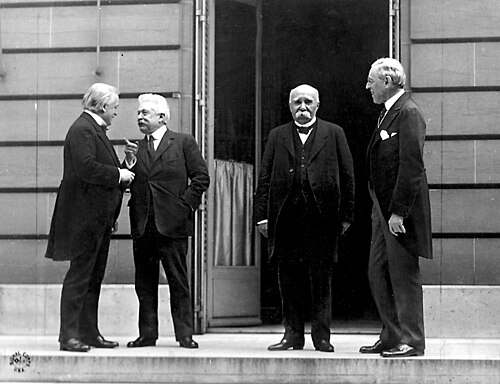
The heads of the "Big Four" nations at the Paris Peace Conference, 27 May 1919. From left to right: David Lloyd George, Vittorio Orlando, Georges Clemenceau, and Woodrow Wilson
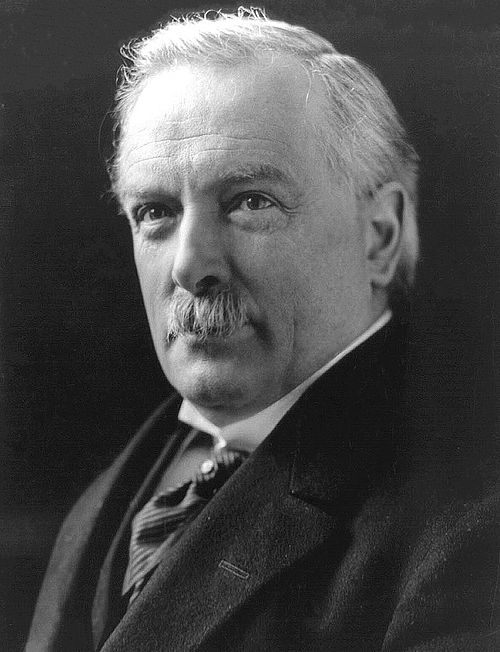
British Prime Minister David Lloyd George

German delegate Johannes Bell signing the Treaty of Versailles in the Hall of Mirrors, with various Allied delegations sitting and standing in front of him
Archduke Franz Ferdinand of Austria, heir presumptive to the Austro-Hungarian throne, and his wife, Sophie, Duchess of Hohenberg, were assassinated by Bosnian Serb student Gavrilo Princip in Sarajevo
Treaty of Versailles
…War I, it ended the state of war between Germany and most of the Allied Powers. It was signed in the Palace of Versailles, exactly five years after the assassination of Archduke Franz Ferdinand, the proximate cause of the war. The other Central Powers on the German side signed separate treaties. Although the armistice of 11 November 1918 ended…

Assassination illustrated in the Italian newspaper La Domenica del Corriere, 12 July 1914 by Achille Beltrame

Archduke Franz Ferdinand of Austria

Sophie, Duchess of Hohenberg

Photograph of the Archduke and his wife emerging from the Sarajevo Town Hall to board their car, a few minutes before the assassination