Tropical cyclone response
Hurricane response is the disaster response after a hurricane. This response encompasses assessment and repairs to buildings and infrastructure, removal of debris, and providing public health services. Hurricane responders may be exposed to many hazards such as chemical and biological contaminants, and injuries from work activities.
Personnel and equipment from the National Guard of the United States en route to Hurricane Florence response efforts in 2018
Hurricane response involves working in hazardous conditions, including contamination and electrocution hazards from floodwater.
Disaster response refers to the actions taken directly before, during or in the immediate aftermath of a disaster. The objective is to save lives, ensure health and safety and to meet the subsistence needs of the people affected. This includes warning/evacuation, search and rescue, providing immediate assistance, assessing damage, continuing assistance and the immediate restoration or construction of infrastructure. The aim of emergency response is to provide immediate assistance to maintain life, improve health and support the morale of the affected population. Such assistance may range from providing specific but limited aid, such as assisting refugees with transport, temporary shelter, and food to establishing semi-permanent settlements in camps and other locations. It also may involve initial repairs to damage or diversion to infrastructure.
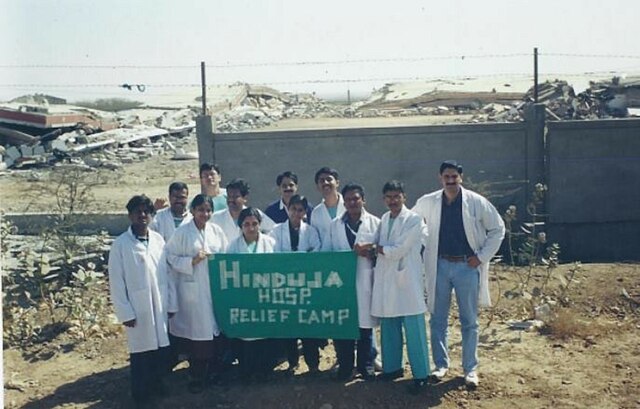
Relief camp at Bhuj after the 2001 Gujarat earthquake