Turkish War of Independence
Videos
The Turkish War of Independence was a series of military campaigns and a revolution waged by the Turkish National Movement, after the Ottoman Empire was occupied and partitioned following its defeat i

Clockwise from top left: Delegation gathered in Sivas Congress to determine the objectives of the Turkish National Movement; Turkish civilians carrying ammunition to the front; Kuva-yi Milliye infantry; Turkish horse cavalry in chase; Turkish Army's capture of Smyrna; troops in Ankara's Ulus Square preparing to leave for the front.
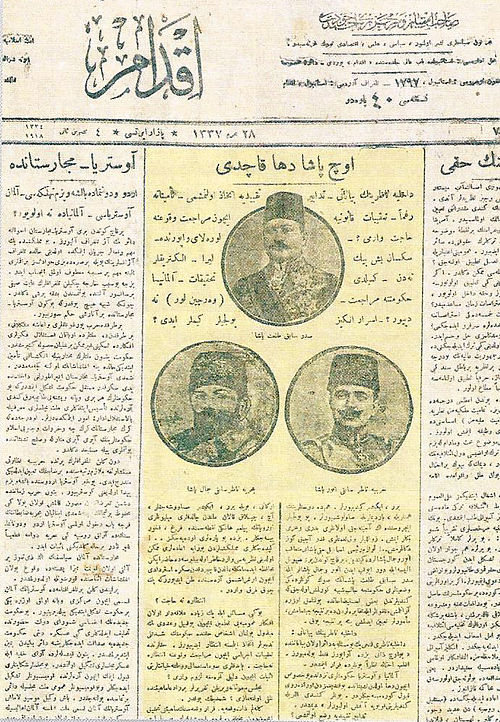
Front page of İkdam on 4 November 1918, "The Three Pashas Escaped"

Allied occupation troops marching at the Grande Rue de Péra (İstiklal Avenue)
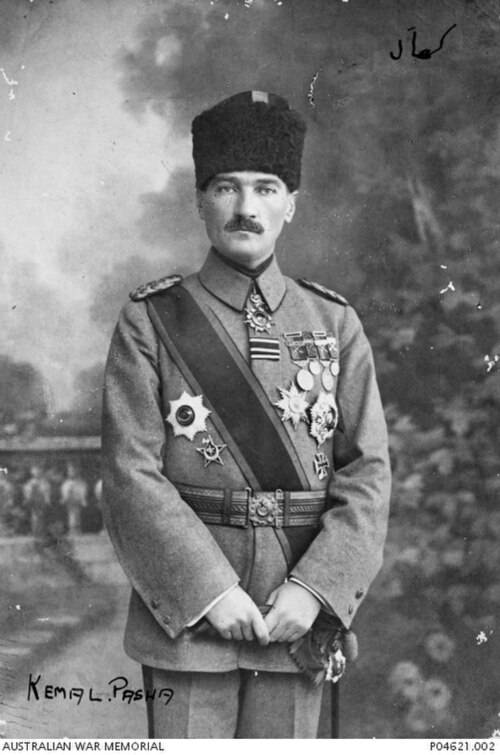
Mustafa Kemal Pasha in 1918, then an Ottoman army general
Turkey
Videos
Turkey, officially the Republic of Türkiye, is a country mainly located in Anatolia in West Asia, with a smaller part called East Thrace in Southeast Europe. It borders the Black Sea to the north; Geo
Turkish War of Independence
…concluded the collapse of the Ottoman Empire and the Eastern question, ending the Ottoman sultanate and the Ottoman caliphate, and establishing the Republic of Turkey. After leading the nationalists to victory, Mustafa Kemal Atatürk introduced revolutionary reforms as president of the new republic. While World War I…
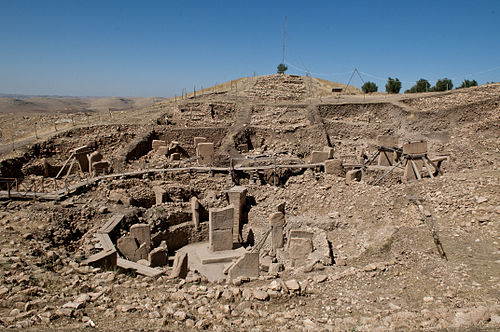
Some henges at Göbekli Tepe were erected as far back as 9600 BC, predating those of Stonehenge by over seven millennia.

The Lycian Way is a 760 kilometers (470 mi) long hiking path in Southwestern Turkey.

The Library of Celsus in Ephesus was built by the Romans in 114–117.

The Hagia Sophia in Constantinople (now Istanbul) was built by the Eastern Roman emperor Justinian the Great in 532–537.