University of Pittsburgh School of Medicine
The University of Pittsburgh School of Medicine is a medical school of the University of Pittsburgh, located in Pittsburgh, Pennsylvania. The School of Medicine, also known as Pitt Med, encompasses both a medical program, offering the doctor of medicine, and graduate programs, offering doctor of philosophy and master's degrees in several areas of biomedical science, clinical research, medical education, and medical informatics.
Scaife Hall, home of the Pitt School of Medicine.
Scaife Hall
The University of Pittsburgh is a public state-related research university in Pittsburgh, Pennsylvania, United States. The university is composed of 17 undergraduate and graduate schools and colleges at its urban Pittsburgh campus, home to the university's central administration and around 28,000 undergraduate and graduate students. The 132-acre Pittsburgh campus includes various historic buildings that are part of the Schenley Farms Historic District, most notably its 42-story Gothic revival centerpiece, the Cathedral of Learning. Pitt is a member of the Association of American Universities and is classified among "R1: Doctoral Universities – Very high research activity". It is the second-largest non-government employer in the Pittsburgh metropolitan area.
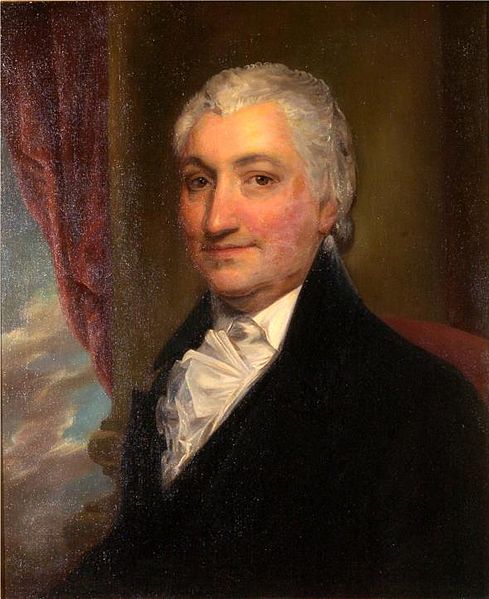
Hugh Henry Brackenridge, founder of Pittsburgh Academy, the precursor to the University of Pittsburgh
The Cathedral of Learning, the centerpiece of Pitt's campus and the tallest educational building in the Western Hemisphere
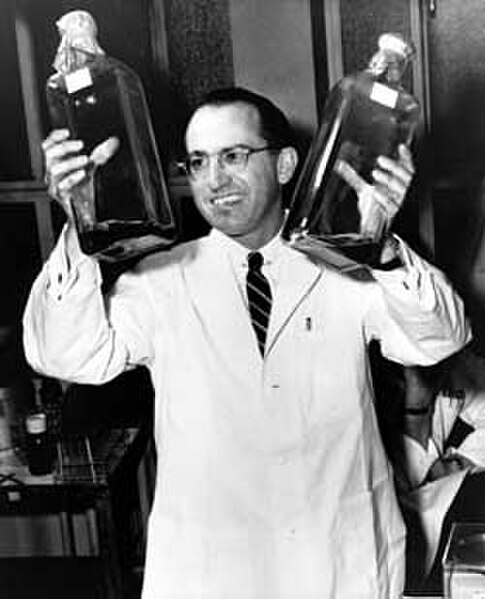
Jonas Salk developed the first polio vaccine at the University of Pittsburgh.
The lower campus, the traditional heart of the university, is typified by Gothic Revival architecture including Heinz Chapel (right) and the Stephen Foster Memorial (center foreground), but the 42-story Cathedral of Learning dominates most views across the Oakland neighborhood.