Ussher chronology
Videos
The Ussher chronology is a 17th-century chronology of the history of the world formulated from a literal reading of the Old Testament by James Ussher, the Archbishop of Armagh and Primate of All Irela
Annales Novi Testamenti Vol II (Latin); click to access PDF


Annals of the World; click to access PDF

Annales Veteris Testamenti Vol I (Latin); click to access PDF
Chronology of the Bible
Videos
The chronology of the Bible is an elaborate system of lifespans, "generations", and other means by which the Masoretic Hebrew Bible measures the passage of events from the creation to around 164 BCE.
Ussher chronology
…time. He was part of a substantial research tradition, a large community of intellectuals working toward a common goal under an accepted methodology. Chronology of the Bible Anno Mundi – Calendar era based on the biblical account of creation…

The Creation of Adam (c. 1512) by Michelangelo – Sistine Chapel
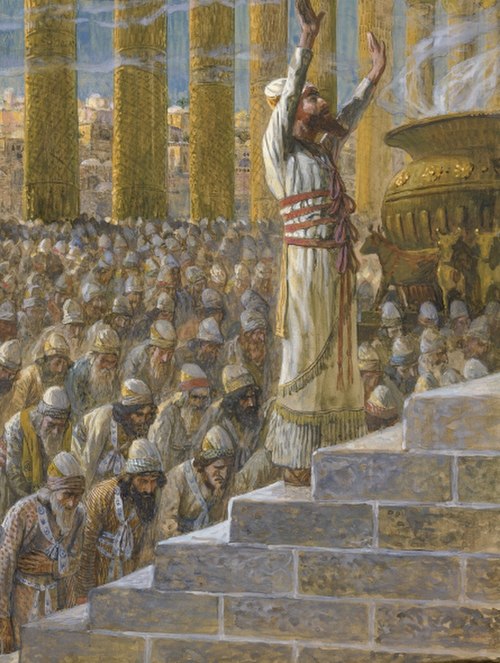
Solomon Dedicates the Temple (James Tissot)

Gutenberg Bible scan