Vengeful ghost
Videos
In mythology and folklore, a vengeful ghost or vengeful spirit is said to be the spirit of a dead person who returns from the afterlife to seek revenge for a cruel, unnatural or unjust death. In certa
Kwade gedachten veranderden Raigo van de Miidera tempel in een rat. Rijksmuseum RP P 1984 36

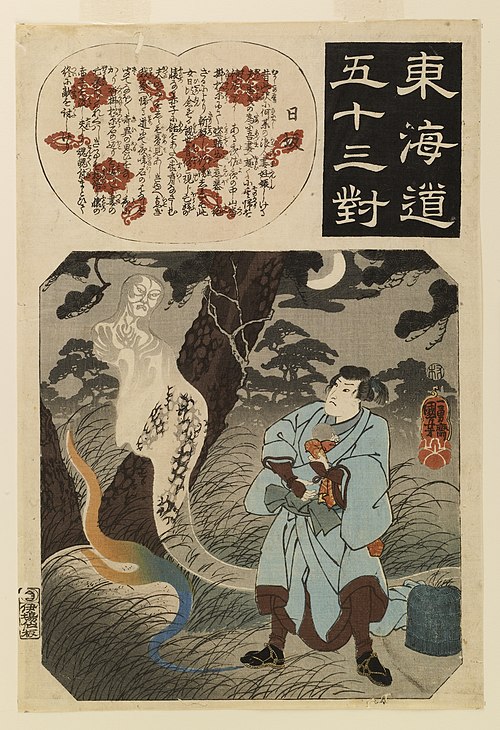
As a husband passes by the place where his pregnant wife was brutally murdered, her ghost appears and hands their child to him. She then tells him the story of her murder and assists him as he takes revenge for her death. Utagawa Kuniyoshi 1845
Ghost
Videos
In folklore, a ghost is the soul or spirit of a dead person or non-human animal that is believed by some people to be able to appear to the living. In ghostlore, descriptions of ghosts vary widely, fr
Vengeful ghost
…In mythology and folklore, a vengeful ghost or vengeful spirit is said to be the spirit of a dead person who returns from the afterlife to seek revenge for a cruel, unnatural or unjust death. In certain cultures where funeral and burial…
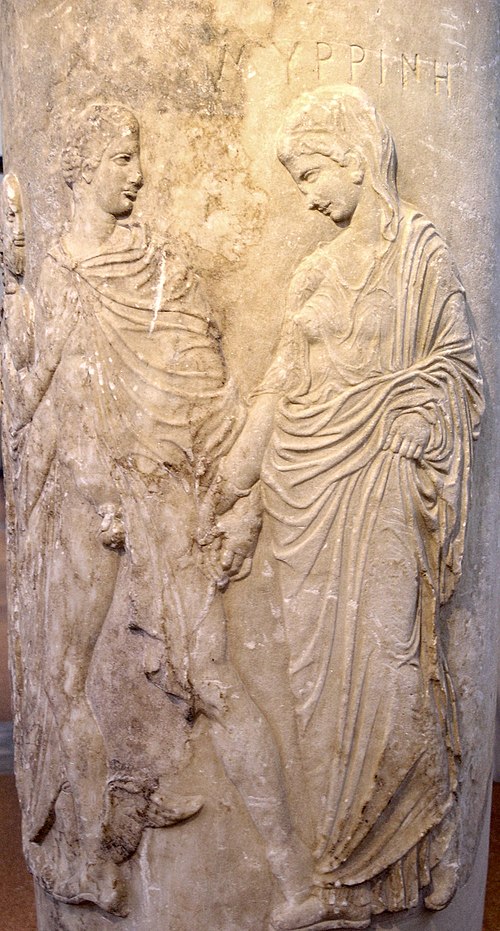
Relief from a carved funerary lekythos at Athens showing Hermes as psychopomp conducting the soul of the deceased, Myrrhine into Hades (c. 430–420 BC)

Yūrei (Japanese ghost) from the Hyakkai Zukan, c. 1737

Union Cemetery in Easton, Connecticut, is home to the legend of the White Lady.
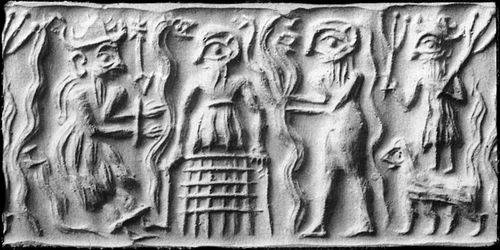
Ancient Sumerian cylinder seal impression showing the god Dumuzid being tortured in the Underworld by galla demons