Via Flaminia
Videos
The Via Flaminia was an ancient Roman road leading from Rome over the Apennine Mountains to Ariminum on the coast of the Adriatic Sea. Due to the ruggedness of the mountains, it was the major option t
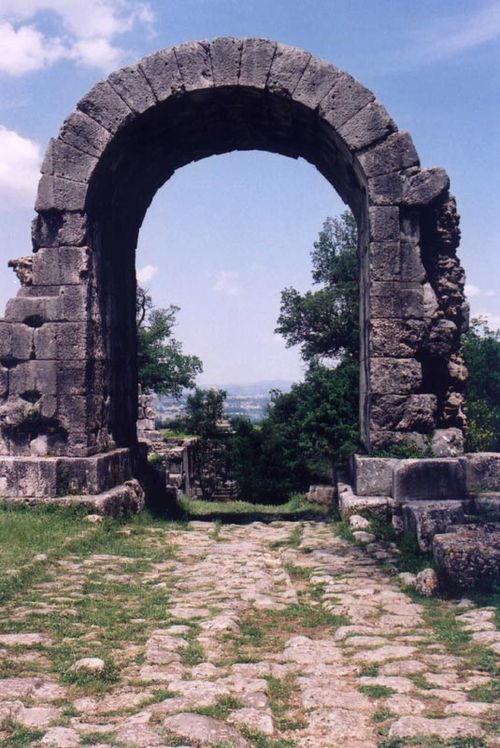
The road in Carsulae

Route of the Via Flaminia; the purple route indicates the Via Flaminia Nova. The orange route indicates the variant that crosses the central part of Marche and reaches the Adriatic Sea in Ancona

The bridge of Narni in an 1826 painting by Jean-Baptiste-Camille Corot

The road passing through Carsulae
Roman roads
Videos
Roman roads were physical infrastructure vital to the maintenance and development of the Roman state, built from about 300 BC through the expansion and consolidation of the Roman Republic and, later,
Via Flaminia
…The Via Flaminia (lit. 'Flaminian Way') was an ancient Roman road leading from Rome over the Apennine Mountains to Ariminum (Rimini) on the coast of the Adriatic Sea. Due to the ruggedness of the mountains, it was the…

Combined data from the Peutinger Table and Antonine Itinerary recording the Roman roads network.

The Appian Way, one of the oldest and most important Roman roads

Old Roman road, leading from Jerusalem to Beit Gubrin, adjacent to regional highway 375 in Israel

Section of the Via delle Gallie (Valle d'Aosta) in Italy, built by excavating the steep rock slope at left