Victoria Cross
Videos
The Victoria Cross is the highest and most prestigious decoration of the British decorations system. It is awarded for valour "in the presence of the enemy" to members of the British Armed Forces and
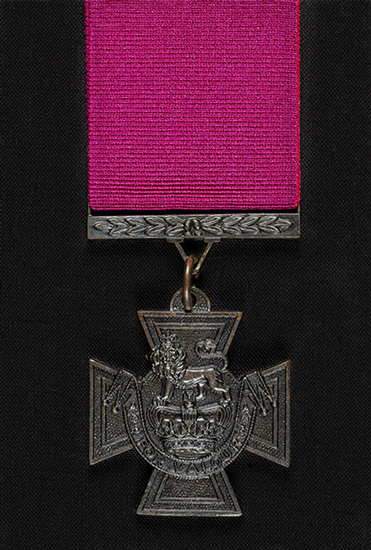

Obverse of the cross; ribbon: 1+1⁄2 inches (38 mm), crimson (blue ribbon for naval awards 1856–1918)

Prototype Victoria Cross submitted to Queen Victoria for her approval in February 1856, now in the National Army Museum

The front and back of Edward Holland's VC

The obverse of William Johnstone's VC showing the dark blue ribbon for pre-1918 awards to naval personnel
James Adams (chaplain)
Videos
James Williams Adams VC was an Irish Anglican chaplain and a recipient of the Victoria Cross, the highest award for gallantry in the face of the enemy that can be awarded to British and Commonwealth f
Victoria Cross
…It may be awarded to a person of any military rank in any service and to civilians under military command. No civilian has received the award since James Adams in 1879. Since the first awards were presented by Queen Victoria in 1857, two thirds of all awards have been personally presented by the British monarch…

The grave of James Adams in the churchyard of St Mary's, Ashwell