Vitalism
Videos
Vitalism is an idea that living organisms are differentiated from the non-living by the presence of forces, properties or powers including those which may not be physical or chemical. Varied forms of
The synthesis of urea in the early 19th century from inorganic compounds was counterevidence for the vitalist hypothesis that only organisms could make the components of living things.


Franz Mesmer proposed the vitalist force of magnétisme animal in animals with breath.
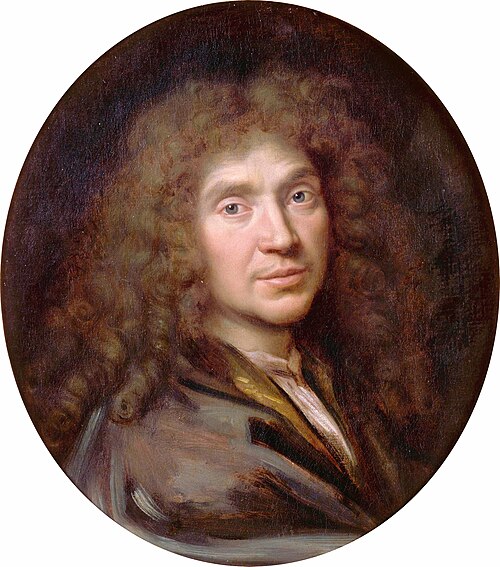
The 17th century French playwright Molière mocked vitalism in his 1673 play Le Malade imaginaire.

Springbok pronk
Chiropractic
Videos
Chiropractic is a form of alternative medicine concerned with the diagnosis, treatment and prevention of mechanical disorders of the musculoskeletal system, especially of the spine. The main chiroprac
Vitalism
…1930s, for a plethora of good reasons that have only become stronger with time." Joseph C. Keating, Jr. discusses vitalism's past and present roles in chiropractic and calls vitalism "a form of bio-theology." He further explains that: Vitalism is that rejected tradition in biology which proposes that life is…

A chiropractor performing a vertebral adjustment

A treatment table at a chiropractic office

A chiropractic adjustment of a horse

A chiropractor performs an adjustment on a patient.