Wall of Sound
Videos
The Wall of Sound is a recording approach and style of music production developed by American producer and songwriter Phil Spector at Gold Star Studios in the early 1960s. Aspiring for an aesthetic ak

Phil Spector's usual studio musicians, later dubbed "the Wrecking Crew", gathered at a Gold Star recording session in the 1960s.

Andrew Loog Oldham (left) with Mick Jagger in 1966. Oldham popularized the term "wall of sound" to describe Spector's production style, which Oldham imitated on records produced for the Rolling Stones.

Spector's songwriting collaborators Ellie Greenwich and Jeff Barry with the Dixie Cups (1964)

Jack Nitzsche (pictured circa 1990s) co-arranged the majority of songs produced by Spector in the 1960s
Pet Sounds
Videos
Pet Sounds is the eleventh studio album by the American rock band the Beach Boys, released on May 16, 1966, by Capitol Records. It was produced, arranged, and primarily composed by Brian Wilson with g
Wall of Sound
…Studio with engineer Chuck Britz. By 1966, Wilson was a leading figure in the Los Angeles music scene, surpassing Spector's standing there, and produced Pet Sounds, a concept album centered on and expanding Spector's technique. In Britain, Andrew Oldham viewed Spector as his model and inspiration, and was mentored…

Pet Sounds

The Beach Boys in February 1965. From left: Carl Wilson, Al Jardine, Brian and Dennis Wilson, and Mike Love

From left: Johnston, Melcher, Asher, and Brian at a Pet Sounds recording session in early 1966.
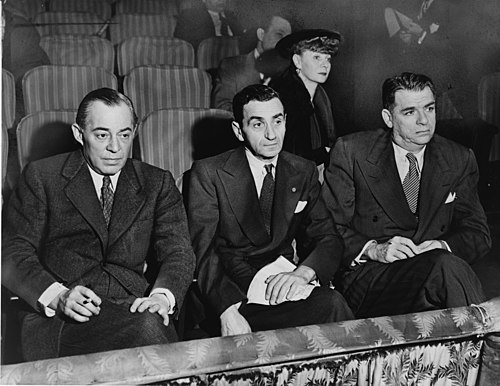
Asher and Wilson modeled Pet Sounds after Tin Pan Alley's songwriting craftmanship (pictured in 1948; Rodgers and Hammerstein with Irving Berlin)