Wally Hammond
Videos
Walter Reginald Hammond was an English first-class cricketer who played for Gloucestershire in a career that lasted from 1920 to 1951. Beginning as a professional, he later became an amateur and was a
Hammond c. 1930


Lord Harris, who was instrumental in Hammond's being unable to play for Gloucestershire in 1922, in his playing days
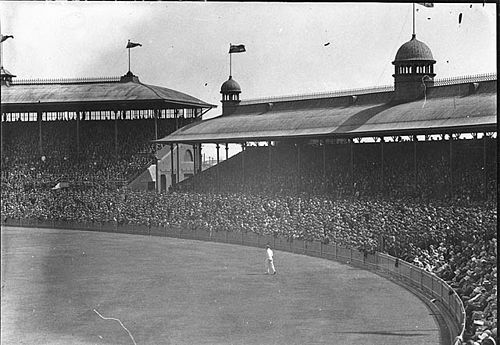
Sydney Cricket Ground during a cricket match in the 1930s. Hammond scored many runs at Sydney, and it was a favourite venue of his.
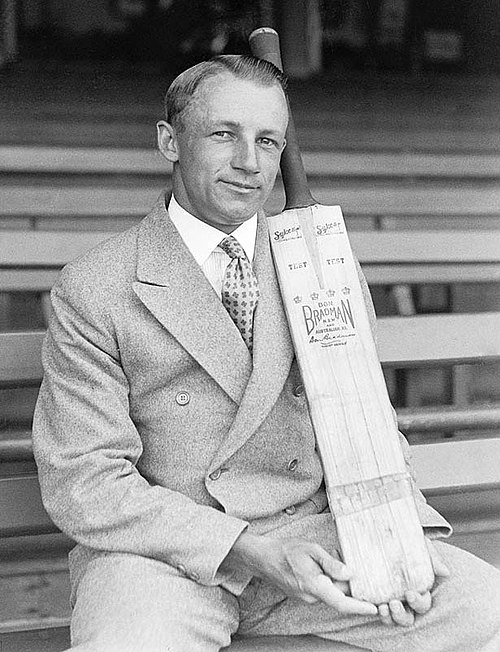
Donald Bradman, the best batsman in the world during most of Hammond's career, who in 1930 broke Hammond's record for most runs in a Test series. Hammond later became obsessed with being more successful than Bradman.
A cricket team representing England toured Australia in the 1932–33 season. The tour was organised by the Marylebone Cricket Club and matches outside the Tests were played under the MCC name. The tour
Wally Hammond
…his then highest score of 264, and his first hundred for the Players against the Gentlemen. He also took 53 wickets. Hammond was selected for the M.C.C. tour of Australia in 1932–33. Known as the Bodyline series, it became notorious for the controversial English tactic of bowling short on the line of leg stump, making…

Bill Woodfull evades a bodyline ball

The England team photographed before the Adelaide Test Back row: George Duckworth, Tommy Mitchell, Nawab of Pataudi, Maurice Leyland, Harold Larwood, Eddie Paynter, W. Ferguson (scorer) Middle row: Pelham Warner (co-manager), Les Ames, Hedley Verity, Bill Voce, Bill Bowes, Freddie Brown, Maurice Tate, R. C. N. Palairet (co-manager). Front row: Herbert Sutcliffe, Bob Wyatt, Douglas Jardine, Gubby Allen, Wally Hammond

Jardine leads the English Team onto the Sydney Cricket Ground, 2 Dec 1932

Bradman is bowled first ball, 30 December 1932